

September 22, 2026
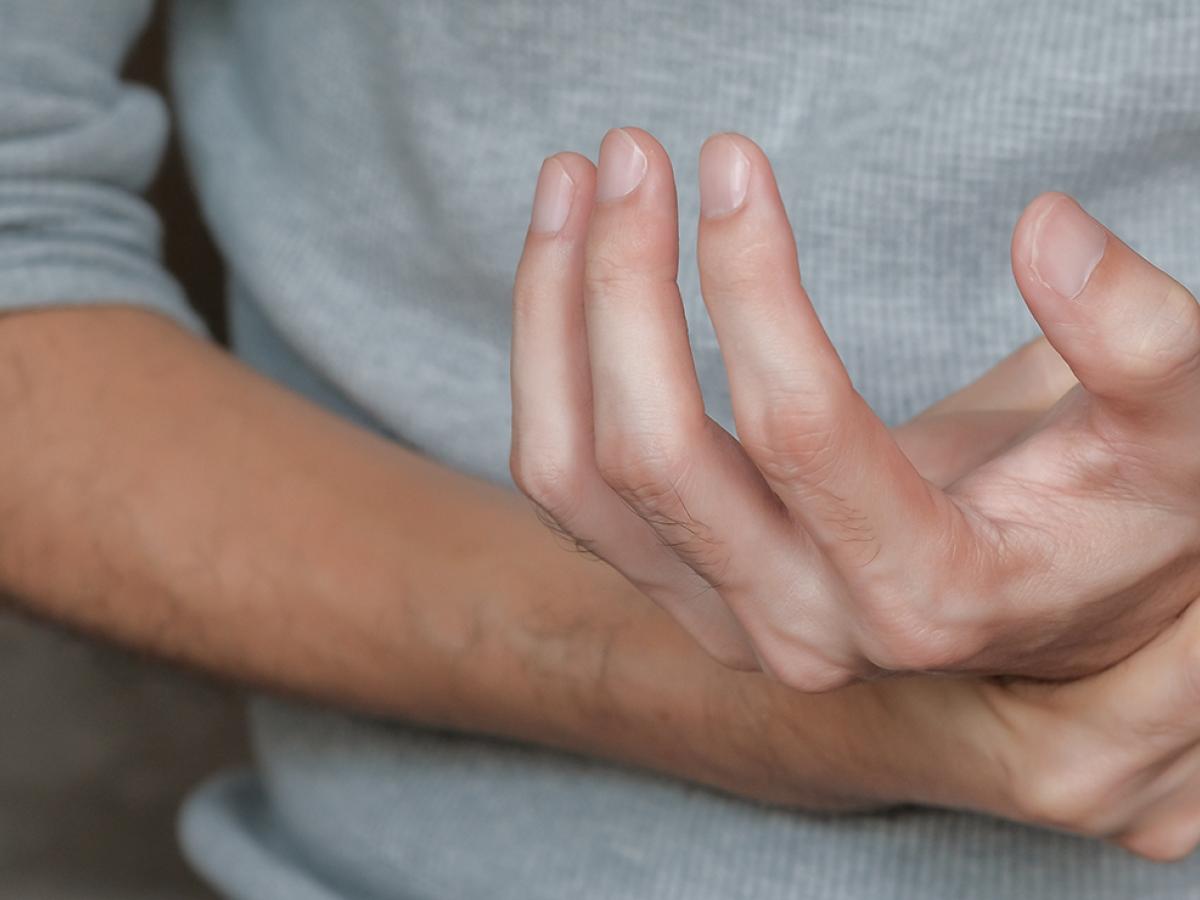
Achy joints can be painful, and aside from predicting rain, they typically indicate one of three things:
- You've recently experienced an injury.
- You are getting older.
- An underlying condition is affecting your joints.
"Aside from acute and overuse injuries, it's very common to have joint pain as you get older," says Celso Velázquez, MD, an MU Health Care rheumatologist. "But if you simply assume your pain is age-related, you could delay the critical diagnosis of an underlying issue, such as rheumatoid arthritis."
There are a dozen types of arthritis that are common and they fall into two categories:
- Non-inflammatory arthritis, related to the natural wear and tear that accompanies aging
- Inflammatory arthritis, often caused by an overactive immune system associated with an autoimmune disease
To help you get a handle on what's causing your achy joints — and when to see a doctor — Dr. Velázquez shares five questions to ask yourself:
1. Is Your Pain Persistent?
Joint pain that is unrelated to an injury either hurts only while you are using the joint or it aches all the time. Use-related pain is often caused by either:
- Wear and tear inside the joint, also known as osteoarthritis
- Soft-tissue overuse injuries near the joint, such as bursitis or tendonitis
Pain that is constant — even when you aren't using the joint — is more suggestive of an inflammatory or autoimmune type of arthritis.
"Joint pain that lingers for a while — one to three weeks — can point to an underlying inflammatory or autoimmune condition," Dr. Velázquez says. "Your provider will know how to move and test the joint to tell whether the issue is within the joint, outside the joint or unrelated to using the joint."
2. Do You Have Swelling Without an Apparent Injury?

Osteoarthritis and issues such as tendonitis rarely involve swelling. But persistent joint pain combined with swelling creates a strong case for inflammatory arthritis. If you think the swelling may be due to a mild injury, see if your joint pain and swelling get better with several days of rest. If not, it could indicate inflammatory arthritis.
"When a joint becomes swollen and there is no recent acute injury, it's often a sign of the kind of arthritis that requires nonurgent medical attention," Dr. Velázquez says. "It's a clue that you may be dealing with an underlying autoimmune condition."
3. Do You Have Other Symptoms?
Persistent joint pain, especially accompanied by swelling, is reason enough to schedule an appointment with your doctor. If your pain is accompanied by other symptoms, it can be an additional sign of a possible underlying autoimmune condition.
Let your doctor know if you are also experiencing symptoms, such as:
- Achiness in other areas of the body
- Fatigue
- Fever
- Rashes
- Weight loss
"There are other autoimmune diseases that cause joint pain but also affect other areas of the body," Dr. Velázquez says. "If you have lupus, for instance, the immune system attacks the joints, but also your skin, blood counts, heart, lungs and kidneys."
4. Which Joints Are Achy?
Your joint pain's specific pattern, symmetry and location can often help doctors identify different types of inflammatory arthritis. Certain conditions may target different combinations of large and small joints, such as:
- Rheumatoid arthritis: This most common form of autoimmune arthritis typically involves the small joints in your hands or feet.
- Psoriatic arthritis: Often associated with psoriasis, it can cause discomfort and swelling in large and small joints, as well as the spine.
- Gout: This type of arthritis occurs when excess uric acid crystallizes in your joints and most commonly affects the toe joints.
"Depending on which joints are bothering you, your pain could be an important clue to what kind of autoimmune arthritis you have," Dr. Velázquez says. "Your provider may ask you which joints hurt, when they hurt, how they hurt and whether they ever get swollen."
Non-inflammatory arthritis, particularly osteoarthritis, typically affects large weight-bearing joints — such as knees, hips and shoulders — or joints that experience repetitive daily movement — such as the base of your thumb.
5. Are You at Increased Risk for Inflammatory Arthritis?
Contrary to popular opinion, cracking your knuckles does not increase your risk of arthritis. But there are other factors that do raise your risk of inflammatory arthritis, including:
- Age, with inflammatory arthritis commonly developing between ages 20 and 50 — though you can develop it at any age
- Family history of rheumatoid arthritis, psoriatic arthritis or other autoimmune conditions
- Sex, with women at higher risk than men
- Smoking tobacco, making some smokers twice as likely to develop rheumatoid arthritis
- Substantial alcohol use, which is often associated with gout
- Excess body weight, which is a risk factor for gout
"There is not much you can do to prevent inflammatory arthritis, but living a healthy lifestyle can help," Dr. Velázquez says. "Staying active, avoiding smoking and drinking in moderation are good places to start."
How to Get Help for Achy Joints
There is effective treatment available for all types of inflammatory or autoimmune arthritis. Treatment can improve symptoms and prevent long-term damage by reducing pain, stiffness and swelling.
"Rheumatoid arthritis and other inflammatory types of arthritis were once considered to be 'crippling,' but that is just not the case anymore," Dr. Velázquez says. "Today, we aggressively treat arthritis and have many more medication options than we did a couple of decades ago."
However, there is a window of opportunity when the treatment is most effective. The sooner the diagnosis is made and you start on specific medications, the better your long-term outcomes. If you suspect you may have arthritis of any kind, your primary care doctor can assess your joints, order any necessary tests or imaging and refer you to a specialist if needed.
To find relief from achy joints at home, Dr. Velázquez suggests:
- Over-the-counter anti-inflammatory and analgesic (pain-relieving) drugs, taken orally or applied topically
- Physical activity, including daily, low-impact exercise
"While it may be tempting, avoiding exercise altogether does not make arthritis better," Dr. Velázquez says. "In fact, not exercising makes arthritis worse. The best thing you can do for chronic arthritis is to move the joint and keep your muscles strong while the treatment works to reduce inflammation."
Next Steps and Useful Resources
- Want to discuss more with a doctor? Start with primary care today.
