

January 21, 2026
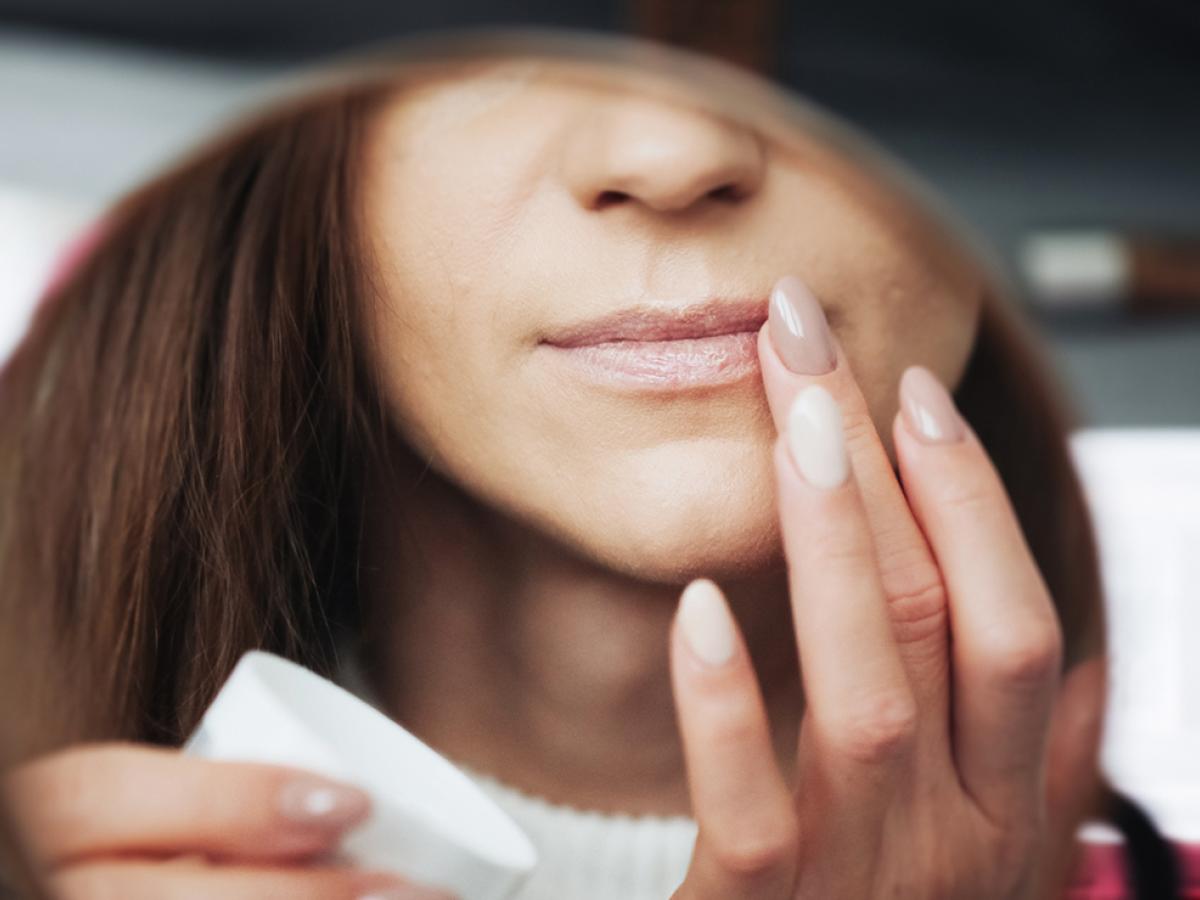
You may think of winter as a time for skin to rest and recover, spending more time indoors and out of the sun. But the colder months bring a unique set of challenges for your skin.
"When we turn the heat on during the winter, the humidity in our house goes down dramatically," says MU Health Care dermatologist Jordan Parker, MD. "Cold air causes low humidity outside as well. If you live in a cold climate, there's no safe space — the environmental conditions associated with winter can dry out your skin."
While not everyone will experience dry skin in the winter, there are some factors that increase your risk, such as:
- Age: As you get older, your skin barrier (the outermost, protective layer of skin) cannot hold onto moisture the same way it did in your 20s or 30s.
- Existing eczema: Underlying eczema, which often has a genetic component, increases the likelihood of dry skin in winter months.
"There are risk factors, but I see people of all ages and skin types complaining of dry skin in the winter," Dr. Parker says. "The good news is that there are simple and easy ways to adjust your daily routine to keep your skin healthy and prevent damage to your natural skin barrier."
Simple Practices That Keep Skin Moisturized in Winter
If you don't lock in moisture and protect your skin's barrier in the winter, you could end up with dry, flaky skin. Dry skin can also increase the risk of developing eczema.
Some scientific data suggests that using humidifiers, drinking water and eating hydrating foods can help with the water content of your skin. But Dr. Parker says more convincing evidence recommends three simple things you can do to protect and hydrate your skin:
1. Avoid Hot Showers
The steam from a long, hot shower may seem to provide moisture for your skin. But hot water can actually damage your skin barrier.
Research shows that long and continuous water exposure damages how well your skin's barrier functions — and hot water is the most harmful. Too much time in hot water can increase:
- Erythema, skin redness due to inflammation, injury or irritation
- pH level, which needs to remain balanced to support your skin's ability to fight bacteria and retain moisture
- Transepidermal water loss, which indicates how quickly water evaporates from the skin's surface and can signal a compromised skin barrier
"The skin on your back can get especially dry with long, hot showers," Dr. Parker says. "As difficult as it is to step into a quick cool or lukewarm shower in the winter, remind yourself that it's the best way to care for your skin."
2. Use Suds Sparingly

Soap and body wash help control odor and remove dirt and bacteria from your skin. But the same chemicals that make cleansers so successful can also compromise your skin's protective barrier and moisture by stripping skin of natural oils. If you use antibacterial soap, you may also be killing the normal bacteria living on your skin's surface.
"I tell my patients, 'If it is stinky, wash it,'" Dr. Parker says. "If it's not stinky, rinse with plain water, but you don't have to use soap every shower." Unless you get extremely sweaty or grimy, experts say you don't even need to shower every day.
In the winter, Dr. Parker says you should also be careful when using a pouf or loofah. Sloughing off dry skin may seem like a good idea, but poufs can be abrasive, especially when paired with a harsh cleanser. It can irritate the skin barrier and may lead to increased dryness.
3. Be Boring But Consistent With Moisturizer
Moisturizing your skin daily is critical in the winter. But your winter skin care routine may look different from your routine in other months. Choosing the right moisturizer for the season and using it consistently makes a big difference. Dr. Parker's tips for daily moisturizing include:
- Choose a cream-based moisturizer that’s heavier than a lotion to protect the skin barrier during winter.
- Look for "fragrance-free" not "unscented," to ensure the fragrance is not just being masked.
- Moisturize immediately following every shower or bath after gently patting skin dry to prevent dryness.
- Store a moisturizer in the shower and wherever you get dressed so that it's easy to remember and convenient to grab.
- Treat skin that feels dry by moisturizing twice daily, in addition to your post-shower application.
- Use only petrolatum (petroleum jelly) or cream moisturizer on lips because anything labeled as "healing," "medicated," "flavored" or "scented" has the potential to irritate your skin in the long term.
"Please, please do not use a super-fruity, yummy-smelling lotion or lip balm," Dr. Parker says. "Opt for boring. The best moisturizers are thick, creamy, affordable and convenient to use. As long as you avoid red flags like fragrance, you can't really go wrong."
When to See a Health Care Provider for Dry Skin
Most people will not have an issue with extreme dryness in the winter.
"Mild dryness tends to be something you don't notice much," Dr. Parker says. "Your skin may just feel tight or a little flaky. But eczema, which can involve angry and inflamed skin, can be bothersome."
She suggests talking to your health care provider if you experience:
- Itchy skin that interferes with your daily life
- Rash that worsens or doesn't go away
There are also health conditions that can mimic eczema, such as psoriasis or jock itch. Consulting your provider ensures that those issues are identified and treated.
"The list of conditions that can cause a rash is long, so it's always a good idea to be seen by your primary care provider or a dermatologist," Dr. Parker says. "We are experts in diagnosing skin conditions and know how to help you find relief."
Next Steps and Useful Resources
- Want to discuss more? Find a dermatologist.
