

August 25, 2026
Blood clots are an important bodily function — when you nick yourself shaving or in the kitchen, it's a blood clot that comes to the rescue and stops the bleeding. But not all blood clots are good.
"Blood clots can form deep in the veins of your legs or arms," says Sostanie Enoru, MD, an interventional cardiologist at MU Health Care. "Those clots are referred to as venous thromboembolism or deep vein thrombosis (DVT). If they go undiagnosed or untreated, they can be life-threatening."
DVT most commonly develops in the legs and poses a threat in several ways. It may:
- Cause a pulmonary embolism (PE, a clot in the lung) if a piece of the clot in your leg breaks off and travels to the lungs
- Damage your veins, causing long-term swelling and pain
- Strain your heart if the clot is large and blocks blood flow
The good news is that while DVT is a serious medical concern, it can also be prevented. Dr. Enoru shares four steps you can take to reduce your risk for DVT and avoid a life-threatening situation:
1. Know Your Risk for Deep Vein Thrombosis
Some people are at higher risk for DVT. Identifying your risk enables you to take preventive action and act quickly if you suspect a blood clot in your leg.
Risk factors for DVT include:
- Genetic predisposition: A family history of DVT or PE or a known genetic mutation may increase your risk.
- Immobility: When you aren't moving often, your blood circulation can decrease, which increases the likelihood of a clot forming. Common reasons you might be immobile include long trips in the car or on a plane, hospitalization and age.
- Increased estrogen: Higher estrogen levels — which can occur if you take hormonal oral birth control or are pregnant — are associated with a higher risk for blood clots. Hormonal birth control triples your risk of DVT, while your risk increases five-fold with pregnancy.
- Injury to the vein: Trauma, surgery, intravenous drug abuse and previous DVT can all affect vein structure and increase the risk of clotting.
- Obesity: The risk of DVT increases as body mass index (BMI) increases.
- Smoking: Smoking cigarettes damages your veins and arteries, predisposing them to blood clot formation.
"It's important to know your risk for DVT and educate yourself about it," Dr. Enoru says. "It's a critical first step in preventing DVT and getting treated in a timely manner."
2. Adopt Healthy Lifestyle Habits That Reduce DVT Risk
Living a healthy lifestyle is the primary way to reduce your risk of DVT before and even after you develop a clot.
"Everyone who has had a blood clot is at risk of developing more clots," Dr. Enoru says. "Making healthy decisions in your everyday life can help you manage those risk factors."
Dr. Enoru recommends:
- Be active regularly to avoid immobility as you age.
- Keep circulation moving on trips longer than four hours by standing, walking or stretching your legs frequently.
- Maintain a healthy weight to improve blood circulation and reduce pressure on your veins.
- Stop smoking, which can damage veins and encourage clotting.
3. Learn to Recognize DVT Symptoms
Half of people with DVT will have no symptoms. If you do develop symptoms, they may show up seemingly out of nowhere.
"DVT is an acute blood clot that can happen quickly," Dr. Enoru says. "Catching DVT when you first notice the symptoms can greatly reduce the chances that it will cause serious medical harm."
Symptoms of DVT will only develop in the affected leg and may include:
- Pain that is constant and comes on quickly
- Redness
- Swelling
- Warmth
If a blood clot in your leg breaks apart and moves to your lungs, you may notice:
- Shortness of breath
- Fast or irregular heartbeat
- Cough or coughing up blood
- Lightheadedness or fainting caused by low blood pressure
"It's impossible to know if a DVT has already fragmented and moved toward the lungs," Dr. Enoru says. "We use your symptoms to help guide us in determining if there is a migration of that clot to the lungs."
4. Get a Medical Evaluation Immediately if You Suspect DVT

The sooner you are evaluated by a medical professional for DVT, the sooner you can receive lifesaving treatment.
"If you develop symptoms on a Saturday and your doctor's office is closed, do not wait until Monday," Dr. Enoru says. "The easiest and quickest way to get an evaluation is to go to the emergency room."
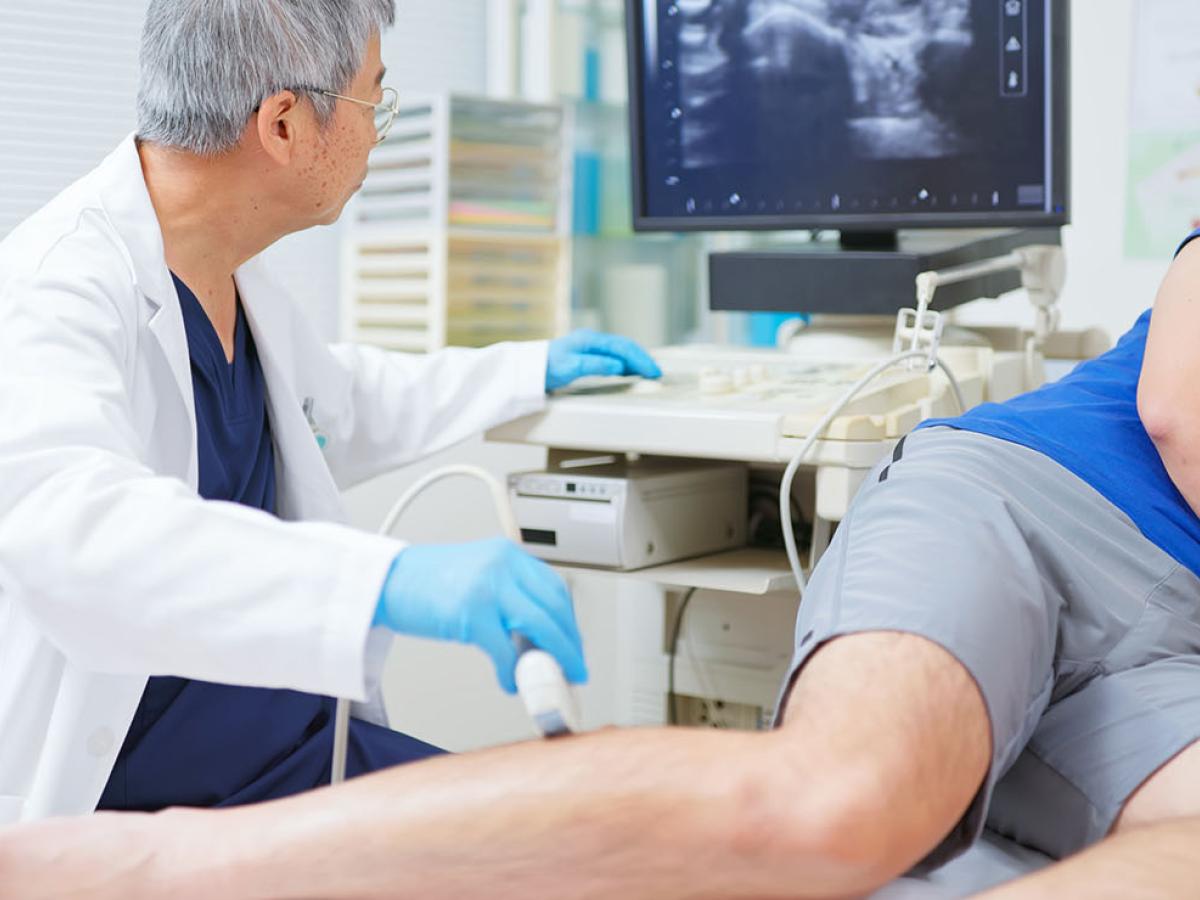
The first step in evaluation is ultrasound imaging, which will show how large the clot is and how much of your vein is blocked. Most people will receive medication that thins the blood to keep the clot from growing.
To determine the best treatment, physicians use a comprehensive evaluation system that classifies clots based on:
- Symptoms
- Risk factors
- Effects on blood pressure and heart rate
- Effects on heart function and breathing
Based on that evaluation, some patients may be candidates for advanced therapy using catheterization — a minimally invasive treatment involving a thin, flexible tube. Your doctor guides the tube through your blood vessel to the clot so they can remove or dissolve it.
"We are able to suck the clot out and deliver medication that breaks the clot up quickly," Dr. Enoru says. "The important thing is that you recognize DVT early and then quickly get high-level care."
Next Steps and Useful Resources
- Want to discuss your blood clot risk with a doctor? Find a primary care provider today.
- Need vein care? Learn more about our care for vein conditions, including blood clots.
