
May 20, 2026
As parents, there are certain developmental milestones we look for, such as grasping an object, feeding oneself, learning to read or catching a ball. But those achievements are often partially dependent on one thing: How well does your child see?
In the United States, nearly one in four children have a vision disorder that requires diagnosis and treatment by an eye doctor. But eyesight issues can often go unnoticed, and the delay can have long-term consequences.

"Vision is an active skill that we learn in early childhood," says Tricia Fernandez, MD, a pediatric ophthalmologist (eye doctor) at MU Health Care. "It's important to recognize vision issues early and address them while development is still occurring. Otherwise, one or both eyes may not develop to their full potential or learn how to coordinate with each other."
The problem is that it isn't always easy to recognize eyesight problems. Babies and toddlers are too young to tell you what they are seeing. Older children may not realize they have an issue, especially if they've never had good vision or their eyes have adjusted to compensate for the problem.
To help you keep an eye on your child's vision, Dr. Fernandez shares the most common vision problems, how to spot them and how to get the help your child needs.
Common Eye Problems in Children and Why You Need to Address Them Now
There are many eye conditions that can affect a child's eyesight. However, the two most common vision issues diagnosed in children are:
- Refractive errors can cause blurry vision when you look at things in the distance (nearsightedness/myopia), up close (farsightedness/hyperopia) or both (astigmatism). These issues primarily happen because of the shape of the eye.
- Strabismus, also called eye crossing or drifting, is the misalignment of one or both eyes. It is caused by a neurological dysfunction that involves miscommunication between the brain and the eye muscles.
These issues can typically be corrected with glasses, patches or in some cases, surgery. However, if vision problems are not treated, your child's issues may build on each other: Straining from refractive errors can lead to strabismus, and untreated strabismus can lead to a more serious condition called amblyopia. With amblyopia, the brain doesn’t learn how to see in one or both eyes.
"In children with eye crossing or drifting, the eyes are not focused on the same thing, and the brain receives confusing and disorienting signals," Dr. Fernandez says. "In response, the brain may ‘turn off' one eye. The problem is that when the brain is only taking input from one eye, the other eye does not learn to see and can become weak and ineffective."
Signs Your Child May Need Glasses or Other Corrective Treatment
It can be challenging to know what your child is seeing, especially with younger children. But there can be noticeable signs and symptoms, such as:
- Different-sized pupils (the black center of each eye)
- Eye crossing
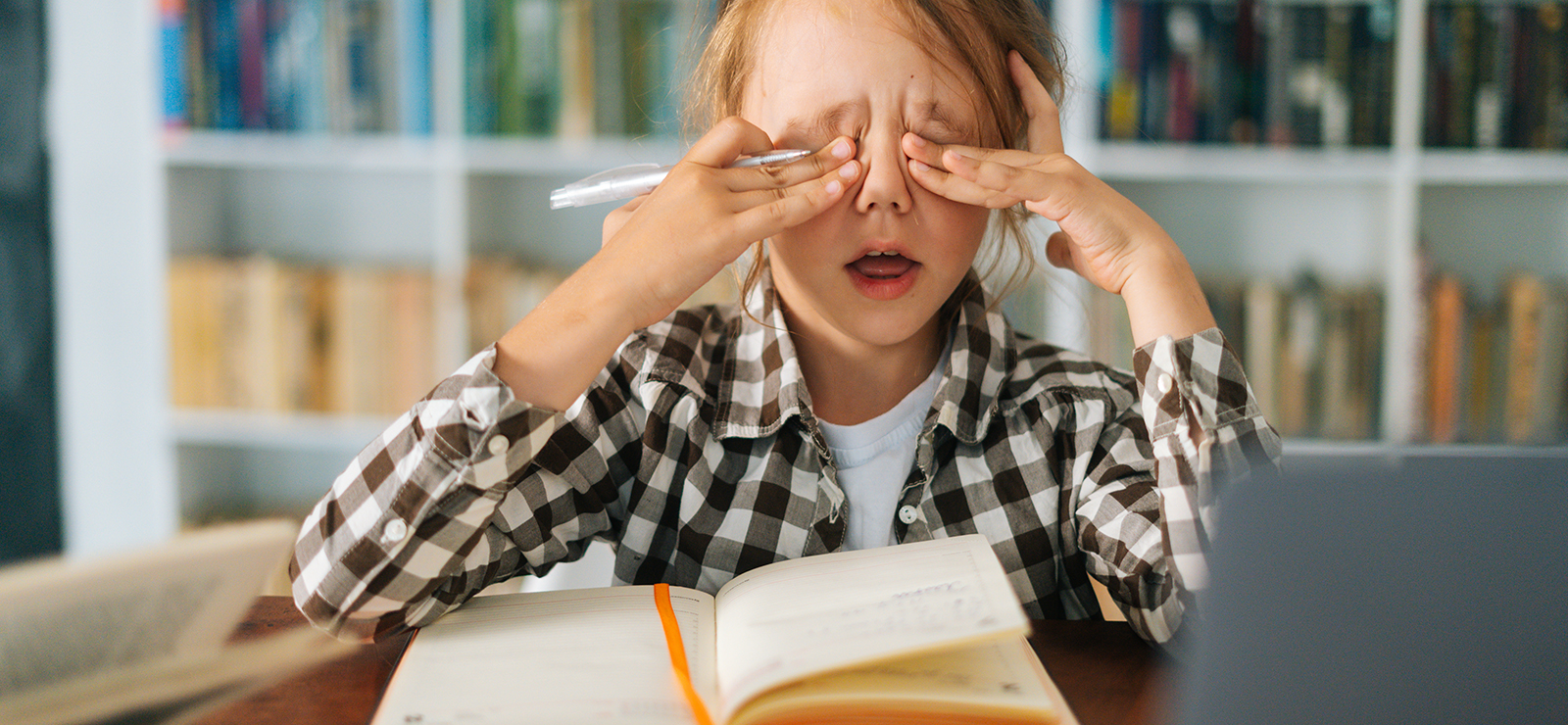
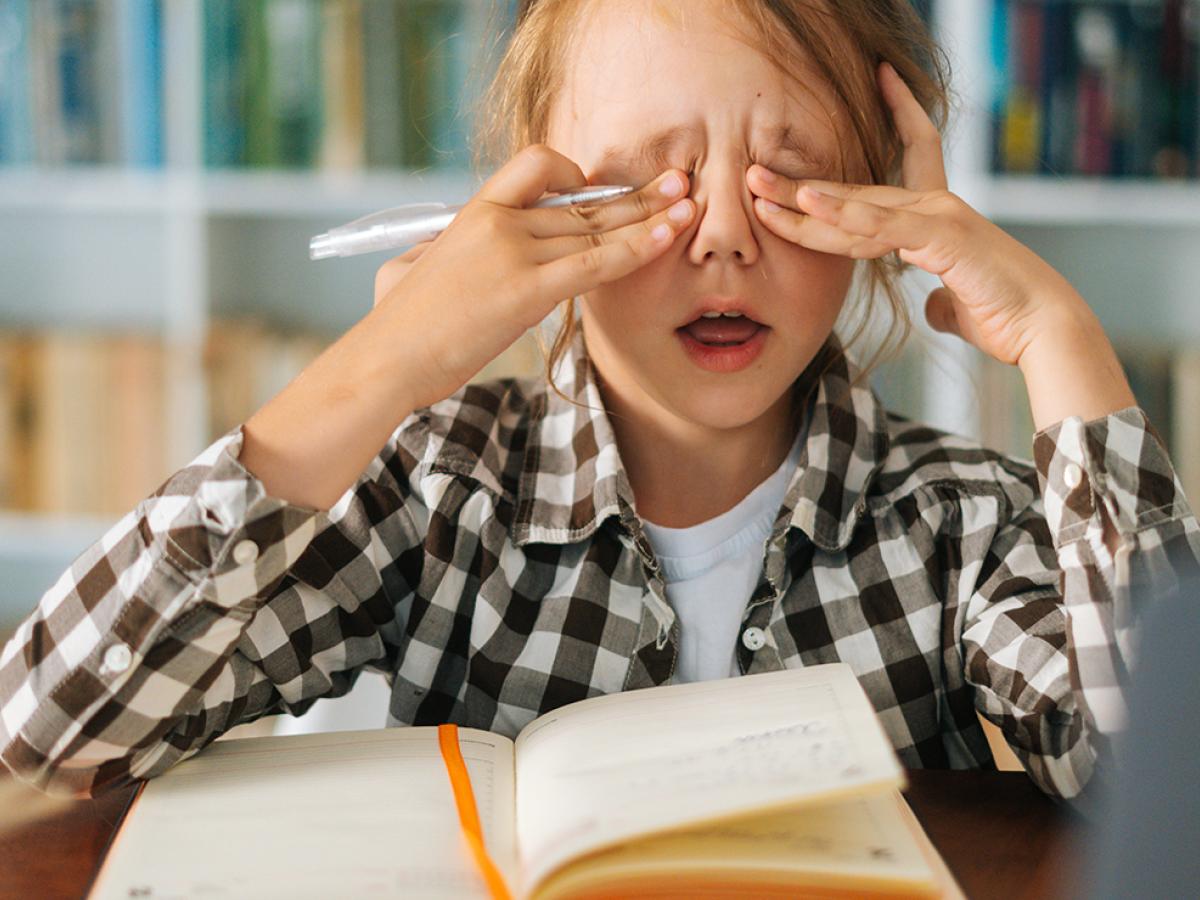
- Frequent blinking or rubbing of the eyes
- Head tilting
- One eye drifting
- Unequally glowing pupils in pictures (or if one pupil glows white or yellow, instead of red)
- Squinting
Additional Signs of Poor Eyesight in Babies and Toddlers
Young children cannot tell you what they see, but their physical actions may reflect poor eyesight or depth perception. If your infant or toddler has a vision issue, you may also notice that they frequently:
- Have poor balance or fall over
- Miss an object as they try to grab for it
"It can be especially challenging to spot a vision issue if only one eye has a problem and the other eye is fine," Dr. Fernandez says. "But rest assured, your pediatrician should be closely examining your baby's eyes at routine visits."
How to Identify Eyesight Issues in School-Aged Children
Some schools offer vision screening to help spot eyesight problems in school-aged children. But the screening process is not standardized, and sometimes kids focus so hard during the test that it skews the result. Your pediatrician will also evaluate eyesight during routine checkups, but it's still good to look for symptoms at home.
If your older child has a vision issue, they may:
- Have difficulty reading or complain of headaches afterward
- Mention seeing flashing lights, floating specks or a shadow in their vision
- Want to sit unusually close to the blackboard, television or computer screen
"Keep the lines of communication open with your child's teacher and take note if they mention concerns that could possibly point to vision problems," Dr. Fernandez says.
Who to See if You Suspect Your Child Has a Vision Problem
If your child has trauma to their eye or has something in their eye, going straight to an ophthalmologist is the safest move. If there is no trauma involved, but you suspect your child is having difficulty seeing, you can raise your concerns with your pediatrician. A primary care provider knows your child well, can screen for vision issues and will refer you to an eye specialist if needed.
An ophthalmologist conducts a vision screening similar to the one done at school, but they may also perform a dilated exam. The doctor uses dilating eye drops to temporarily enlarge the pupils so they can examine the inside of the eye and get an accurate glasses check.
Learning your family history of vision issues and sharing it with your pediatrician and eye doctor can also be helpful. Both refractive errors and strabismus can run in families.
Tips for Protecting Your Child's Eyesight
Whether or not your child has trouble seeing, there are actions that support healthier lifelong vision:
- Eat a healthy diet that contains essential vitamins and minerals.
- Play outside, which is associated with a lower risk of nearsightedness.
- Sharpen vision skills by completing puzzles, stringing beads, painting or drawing, and playing catch.
- Use eye protection, such as safety glasses, glasses guards or a helmet if your child is participating in a sport that involves a chance of getting hit in the eye.
"The best thing you can do is encourage kids to play outside, which forces them to use their eyes to see both near and distant objects," Dr. Fernandez says. "Limiting screen time and other up-close activities can also benefit your child's eyes and overall health."
Next Steps and Useful Resources
- Want to discuss your child’s vision concerns? Find a primary care provider or speak with a pediatric eye specialist.
