

August 25, 2026

The words "infectious disease" can sound scary. Sure, some infections are more serious than others. But if you've ever had a cold, strep throat or the flu, you've had an infectious disease. Regardless of the severity, it's safe to say that preventing infectious disease is a priority for most people.
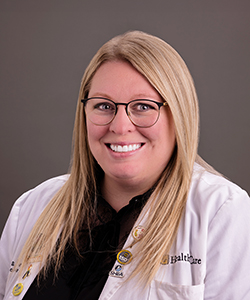
To gain some insider advice, we talked to MU Health Care infectious disease physician, Taylor Nelson, DO, as part of our "I'd Never" series. A significant part of Dr. Nelson's job is not just treating infections but also trying to prevent them before they happen.
Here are seven things Dr. Nelson would never do:
1. Never Skip Recommended Vaccines
The purpose of vaccinations is to help prevent illness and disease. The problem is that the success of vaccines over the last century has made vaccine-preventable diseases seem rare and somewhat non-threatening.
While skipping vaccines may not seem risky, vaccination coverage among kindergarteners in the United States is decreasing. It's no coincidence that the number of reported measles cases in the U.S. is the highest it's been since the disease was declared "eliminated" in 2000.
"There is a lot of talk online and in different circles about unsafe ingredients, but the recommended vaccines have been well-tested, proven to be safe and work time and time again," Dr. Nelson says. "Vaccination can prevent disease in your children or family, but it also protects the community around you."
2. Never Underestimate the Power of Handwashing
Preventing infection does not always need to be complicated. A critical part of protecting yourself is washing your hands — it can prevent 30% of all diarrhea-related illness and nearly 20% of respiratory infections and colds.
"With all the sophisticated medications and treatments available today, 20 seconds of washing your hands with soap and water is still one of the best and most inexpensive ways to prevent infection," Dr. Nelson says.
The best times to wash your hands are when you enter your house, after using the toilet and before preparing food. The Centers for Disease Control and Prevention (CDC) provides tips for effective handwashing:
- Use soap: It removes germs better than handwashing without soap.
- Lather your entire hand: The friction helps lift germs and bacteria from the skin. Don't forget under your nails or the backs of your hands.
- Scrub for 20 seconds: Evidence shows that scrubbing for 15 to 30 seconds removes the most germs.
- Dry your hands thoroughly: Germs can be more easily transferred to and from wet hands.
3. Never Forget That Beloved Family Pets Are Medically Relevant
Pets are an important part of the family and your health — interacting with animals can boost your mood, reduce stress, prevent loneliness and lower blood pressure. But close contact with pets can also increase potential infection risks.
"It's easy to underestimate our pets as potential carriers of infection, because they are familiar and affectionate," Dr. Nelson says. "But diagnosing infections can be like detective work and knowing that you have exposure to a pet can sometimes help us crack the case."
Common pet-related infections include:
- Cat-scratch disease
- Ringworm
- Salmonella
- Tick-borne diseases
Most pet exposures are completely harmless. Just keep your pets healthy and vaccinated — and make sure to let your doctor know about the pets in your family.
4. Never Travel Internationally Without Considering Infection Risks
Travel is exciting and offers significant mental health benefits. But it's important to remember that visiting a destination outside of the U.S. may come with some health risks. Depending on where you go, you may be exposed to new illnesses and infections, such as:
- Dengue fever
- Hepatitis A
- Malaria
- Traveler's diarrhea
- Typhoid fever
The good news is that there's no need to avoid travel — you just need to learn more about the risks associated with your destination.
"I encourage travelers to think about travel health planning the same way they think about flights, hotels and passports," Dr. Nelson says. "Many travel-related infections can be prevented with vaccines, medications and basic precautions. A quick appointment with the travel clinic may prevent illnesses that might otherwise ruin your trip."
5. Never Eat Questionable Leftovers
Leftovers can be a great way to avoid wasting food. They can also make an easy and tasty lunch or dinner — if the food has not gone bad.
Most people rely on how food looks and smells to determine whether it's spoiled. But Dr. Nelson says it's better to assess leftover food by asking how long it sat out and whether it was stored properly.
"Unfortunately, the 'sniff test' is not always reliable," Dr. Nelson says. "Foods can look, taste and smell normal, while carrying enough bacteria to make you sick."
Tips for avoiding illness associated with leftovers include:
- Don't let perishable foods sit out longer than two hours at room temperature — or one hour in a warmer environment.
- Store leftovers in airtight packaging to keep bacteria out.
- Eat refrigerated leftovers within three to four days or freeze them for up to three or four months.
- Throw leftover food out if there is any doubt.
"If those leftovers have been in the fridge long enough that you have to think about how long they've been there, it's often best to just get rid of them," Dr. Nelson says.
6. Never Ask for an Antibiotic Just Because You Feel Sick
It's natural to want a quick fix when you feel sick. But antibiotics are not always the answer.
Antibiotics only treat infections caused by bacteria, such as strep throat and urinary tract infections. Attempting to treat a virus, such as the common cold or the flu, with antibiotics won't help and could cause adverse side effects. The bigger concern, according to Dr. Nelson, is that overusing antibiotics may cause bacteria to become antibiotic-resistant.
"As an infectious disease physician, I spend a lot of time NOT prescribing antibiotics," she says. "Don't get offended if your doctor says you don't need antibiotics, because they have your best interest in mind. The best antibiotic is the one you truly need — but only when you truly need it."
7. Never Bet Against Microbes
Microbes, or microorganisms, are living things too small to see, such as bacteria, viruses and parasites. But they are often the most dangerous thing in the room. Microbes have been known to shape human history — just look at the COVID-19 pandemic, which basically shut down the world.
"Every advancement we make, from antibiotics to vaccines, is followed by microbes adapting and finding new ways to survive," Dr. Nelson says. "Antibiotic resistance is one of the clearest examples of that adaptation happening in real time."
The best way to combat microbes, Dr. Nelson adds, is to preserve the medications we have and stop spreading infections. With each infected individual, microbes can multiply and get smarter — eventually learning how to avoid immune responses.
"We live in an exciting world full of places to see, people and pets to spend time with, and good food to enjoy," Dr. Nelson says. "My advice is simple: experience all of it but take a few smart steps along the way to protect yourself and the people around you."
Next Steps and Useful Resources
- Want more? Check out our Thing’s I’d Never Do series.
