

June 25, 2026

"Mini" often sounds harmless — like a snack-size candy bar or a quick errand you can easily squeeze into your day. But when it comes to your health, that label can be misleading.
A transient ischemic attack (TIA) — often called a "mini-stroke" — is a temporary blockage of blood flow to the brain. During a stroke, blood flow to the brain is blocked or reduced, preventing brain tissue from getting enough oxygen and nutrients. Cells can begin to die within minutes, causing disability or death.
Unlike a full stroke, the symptoms of a mini-stroke can pass quickly and seemingly leave no lasting effects. But a TIA is not something to brush off. It's actually your body's way of waving a big red flag, suggesting that a more dangerous stroke could be on the horizon.
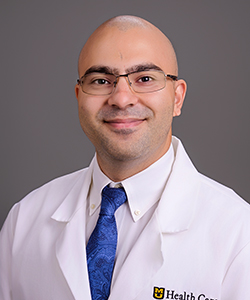
"There's an underlying reason that your blood supply was cut off," says Alibay Jafarli, MD, a vascular neurologist at MU Health Care. "If you don’t address it, it's likely to happen again."
According to the American Heart Association, one in three adults in the United States has had symptoms associated with TIA, but only 3% called 911 for help. Ignoring this warning sign could be a dangerous mistake.
To help you recognize the signs and quickly get the help you need, Dr. Jafarli shares five things everyone should know about TIA:
1. Mini-Stroke Symptoms Are the Same as a Regular Stroke, but Temporary
Being familiar with the symptoms of stroke may help you recognize a TIA because the signs can be identical. BE FAST is an easy way to remember the most common symptoms of a mini-stroke and stroke:
- B - Balance: Loss of balance or dizziness, making it difficult to walk normally
- E - Eyes: Vision issues in one or both eyes
- F - Face: Facial drooping, crooked smile, severe headache
- A - Arms: Weakness or numbness, often only on one side
- S - Speech: Trouble speaking, confusion
- T - Time to call 911
The early signs can be easy to ignore, with Dr. Jafarli noting that some of his patients initially dismissed their arm weakness as a pinched nerve. The problem is that it's nearly impossible to know whether the symptoms are related to TIA or a full stroke, which can be deadly without timely intervention.
Unlike a regular stroke, clots associated with a TIA break up and dissolve on their own before brain tissue is permanently damaged. The symptoms can last anywhere from a few minutes to 24 hours. If you have symptoms, the best thing you can do is call an ambulance and get yourself to the hospital — even if those symptoms pass quickly. It’s important you do not drive yourself.
2. Having a Mini-Stroke Makes You More Likely to Have a Full Stroke
According to the American Stroke Association, typical causes of TIA include:
- Low blood flow in a major artery that carries blood to the brain
- A blood clot in another area of the body that breaks off, travels toward the brain and blocks a blood vessel
- Narrowing of a smaller blood vessel in the brain caused by plaque buildup
With any of these underlying issues, the risk of stroke increases — especially if the problem is not addressed and treated. The risk of stroke is especially high in the first 48 hours following a TIA. But you are still at increased risk beyond that window. One in five people with a suspected TIA will have a stroke within three months. One in three will have a stroke within a year.
"Any of these blood flow issues is concerning for stroke," Dr. Jafarli says. "Missing a warning TIA means you missed an opportunity to fix the problem and reduce your risk."
3. Age and Hormonal Changes Increase Your Risk for TIA and Stroke
TIA and stroke can occur at any age. But risk typically increases with age — the rate doubles every 10 years after age 55. For women, the risk also significantly increases after menopause.
"As women age and estrogen levels decrease, the chances of a TIA increase," Dr. Jafarli says. "Estrogen has a protective effect against cardiovascular disease and stroke. When estrogen levels drop after menopause, that protective effect goes away." Women who go through early menopause tend to have a higher lifetime risk of heart disease for the same reason.
But before seeking out hormone replacement therapy to increase your estrogen, make sure to consult your doctor. Hormone therapy is not currently used to prevent stroke and may increase stroke risk in some people. Women should discuss the risks and benefits with their doctor based on their personal health history.
4. Treatment After TIA Is Critical to Reduce Risk of Future Stroke
If doctors suspect a mini-stroke, they will try to identify the underlying cause using information gained from:
- Health history
- Physical exam and current symptoms
- Ultrasound, CT angiogram, MR angiogram or other type of imaging of your blood vessels
- Imaging tests of the brain, such as MRI and CT scan
Depending on the findings, next steps may include:
- A treatment plan to get control of chronic conditions or risk factors (e.g., high blood pressure, diabetes, smoking)
- Medications to prevent clot formation
- Surgery, if neck arteries are severely blocked
"The medications we use to prevent future TIA and stroke are very effective," Dr. Jafarli says. "But our treatment choices depend on our ability to pinpoint the underlying cause. That's why we'll always dig deeper when needed to get that information."
5. Healthy Lifestyle Choices Can Help You Avoid All Types of Stroke
Anyone can have a mini-stroke, but adopting healthy habits can minimize your risk. Getting regular exercise and eating a healthy diet low in saturated fat and sugar can help reduce or control risk factors associated with TIA and stroke, such as:
- Atrial fibrillation
- Diabetes
- Heavy alcohol use
- High blood pressure
- High cholesterol
- Obesity
- Smoking
"The takeaway should be to live a healthy lifestyle and get emergency medical care as soon as possible if you have symptoms of TIA," Dr. Jafarli says. "The end goal is to avoid having a full-blown stroke, and those two things can help you do it."
Next Steps and Useful Resources
- Want to discuss more with a doctor? Find a primary care provider today.
- Want more? Learn more about the signs of stroke and services offered.
