
March 17, 2026
Many tickborne diseases, such as Lyme disease and Rocky Mountain spotted fever, are well known. But a lesser-known tickborne condition called alpha-gal syndrome (AGS) is on the rise.

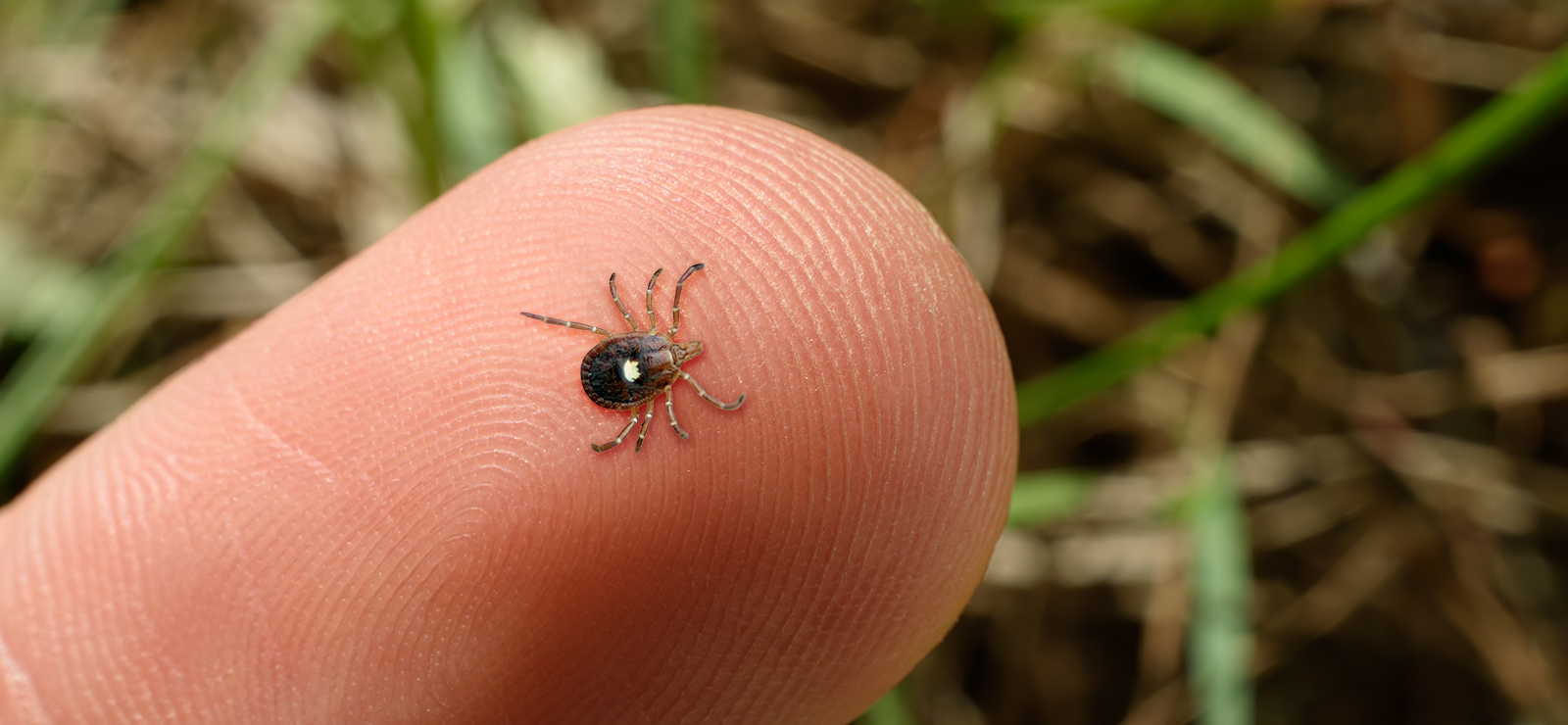
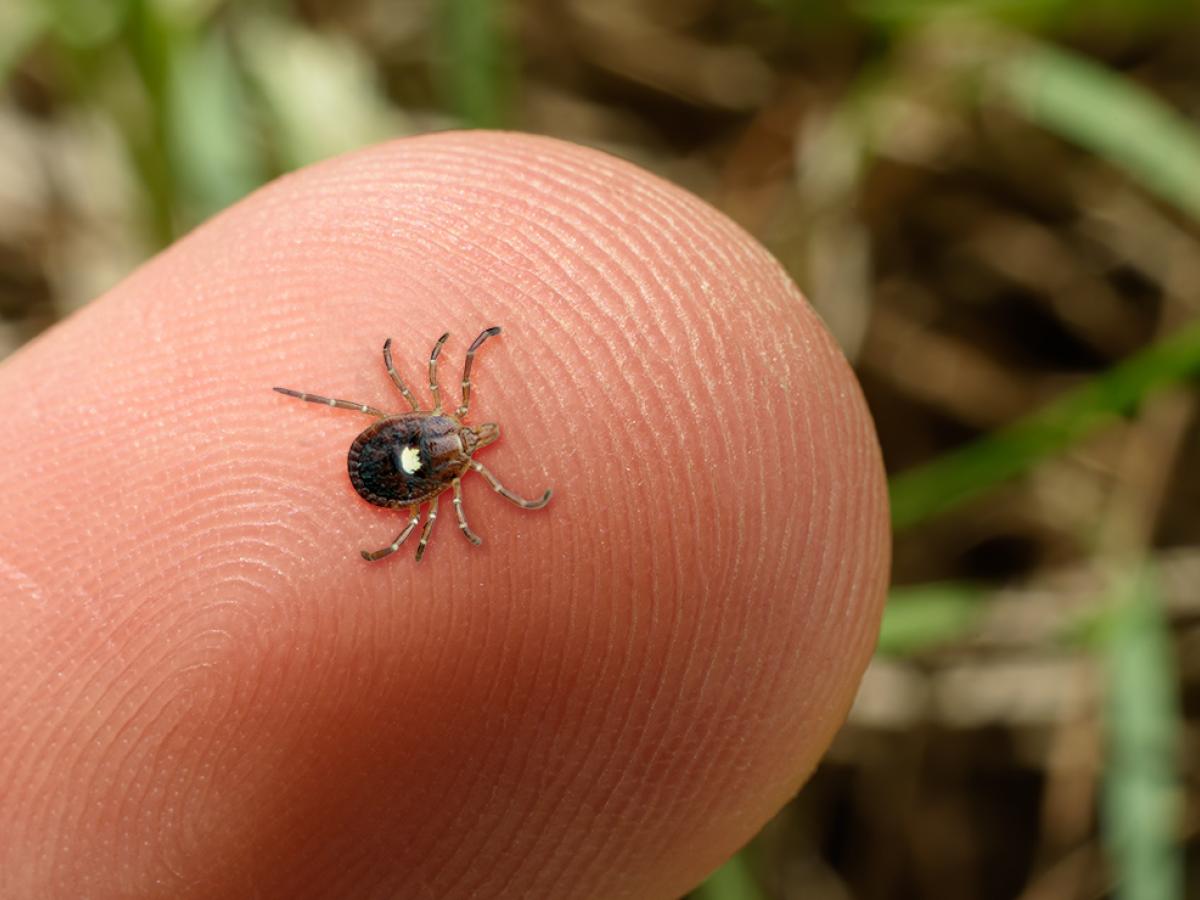
The name "alpha-gal syndrome" may sound like TikTok slang, but AGS is a potentially lifelong condition that can develop after a bite by a lone star tick.
"We hear more and more about AGS every year," says MU Health Care dermatologist Benjamin Casterline, MD, PhD. "But since it was just identified in 2008, we don't yet have a lot of data about it. What we do know is that the tick bite triggers an immune reaction to a sugar molecule called galactose-a-1,3-galactose, or 'alpha-gal.'"
Research shows a 100-fold rise in incidence of AGS — based on positive diagnoses — from 2013 to 2024. While that increase may simply reflect growing awareness and testing, the Centers for Disease Control and Prevention (CDC) suspects that 450,000 people in the United States may be affected by AGS. Experts estimate that more than 80,000 AGS cases are in Missouri.
To keep you in the know about this growing concern, Dr. Casterline answers common questions about AGS:
What Is Alpha-Gal Syndrome?
AGS is different from Lyme disease and other tickborne illnesses, where the tick carries the disease and transfers it through a bite. AGS is not a transferred disease. It's an allergic reaction to a transferred alpha-gal molecule — a sugar molecule found in most mammals, but not in humans.
"Just like any other allergy, your immune system is primed to react to the antigen — alpha-gal in this case," Dr. Casterline says. "So going forward, you may have a reaction to any mammalian meat or products that contain alpha-gal. The only real treatment is to avoid the allergen, which is red meat."
If your diet doesn't typically contain beef, pork, lamb or venison, AGS may not seem like a big deal. But there are other products that may contain trace amounts of alpha-gal, such as:
- Beef broth
- Cow's milk
- Gelatine
- Medications
- Vaccines
Some people with more rare and severe cases of AGS report airborne sensitivity — such as having a reaction just being at a barbecue.
Does Every Lone Star Tick Bite Cause AGS?
There's still a lot to learn about AGS. Experts don't know exactly why the tick bite causes the condition — after all, no one gets AGS after a dog bite. But they do know that not everyone bitten by a lone star tick gets AGS, and the people who do develop AGS are not all affected the same way.
"We've got very good evidence that not every tick bite causes AGS," Dr. Casterline says. "Researchers are looking into what may make someone more susceptible to AGS. There are theories that there could be a genetic explanation or that risk may depend on how often you are bitten."
What Are Alpha-Gal Symptoms?
AGS causes symptoms that are different from typical allergy symptoms.
"With AGS, the symptoms don't kick in until four to six hours later, while a typical allergic reaction happens within 30 minutes," Dr. Casterline says. "There's a wide range of symptoms, and we still haven't got a great handle on which symptoms are the clearest evidence of the diagnosis."
People with AGS report symptoms such as:
- Anaphylaxis, which is very rare
- Hives
- Gastrointestinal distress, such as nausea, vomiting and diarrhea
- Joint pain
- Brain fog
"It's very common for people with AGS to wake up in the middle of the night, either with hives, nausea or vomiting," Dr. Casterline says. Most people don't connect those symptoms with something they ate six hours earlier, especially if the food they ate has not caused issues in the past.
How Is Alpha-Gal Syndrome Diagnosed?
The time from first symptoms to AGS diagnosis has traditionally been long. But as awareness increases, more people are being diagnosed in less than a year from onset. However, for many others, it can take seven years or more.
"Awareness is improving, but data shows that there are a lot of providers without a lot of knowledge about this condition," Dr. Casterline says. The good news is that many different specialists are now diagnosing AGS. "A University of Missouri study found that most patients are diagnosed by allergists. But they are also being diagnosed by gastroenterologists, primary care physicians and dermatologists."
A diagnosis of AGS is made when someone meets two criteria:
- Clinical symptoms consistent with alpha-gal syndrome
- Positive IgE (immunoglobulin E) blood test, which measures alpha-gal-specific antibodies
"After a positive lab test, we'll have you avoid mammalian meat products for several weeks to see if your symptoms improve," Dr. Casterline says. "If they do, there is strong evidence that you have AGS. But it is possible for someone to have the antibody, without having symptoms caused by AGS."
How Long Does Alpha-Gal Syndrome Last?
The acute reaction to red meat only tends to last a few hours. But acute reactions happen with every exposure. So, if you eat red meat several times a day, it could feel like you have constant symptoms. Even a tiny amount of the allergen can induce a reaction.
If you're wondering how long you'll be allergic to red meat, experts don't have a clear answer yet. "There's no real data on the duration of the allergy," Dr. Casterline says. "Some people begin to tolerate red meat again after some time, but others have the allergy forever."
The main treatment for AGS is avoidance of red meat. Antihistamines and prescription food allergy medication offer symptomatic relief for some people. However, those treatments have not been specifically studied for AGS.
How Can I Protect Myself From Alpha-Gal Syndrome?
The only way to prevent AGS is to protect yourself from tick bites. Lone star ticks — which have a distinctive white dot on their backs — are more active in warmer weather. Spring, summer and early fall are times to take preventive action.
Dr. Casterline recommends:
- Avoid common tick habitats, such as the edge of forests and grasslands
- Cover your skin by wearing long socks, tucking your pants into them and wearing long sleeves
- Use insect repellent on your skin, such as DEET or picaridin
- Apply the insecticide permethrin directly on clothing, applying it to seams and the edges of socks, pants and sleeves
- Check your skin after time outdoors and promptly remove any ticks
"Any time you have symptoms that you can't explain, see a doctor," Dr. Casterline says. "But make a mental note if you were outdoors or found a tick on you and now have symptoms consistent with AGS. Your awareness of AGS may be the key to getting diagnosed quickly."
Next Steps and Useful Resources
- Think you may be impacted by AGS? Speak with a dermatologist, allergist or primary care doctor.
- Want more? See how research at the University of Missouri is helping those with AGS.
