
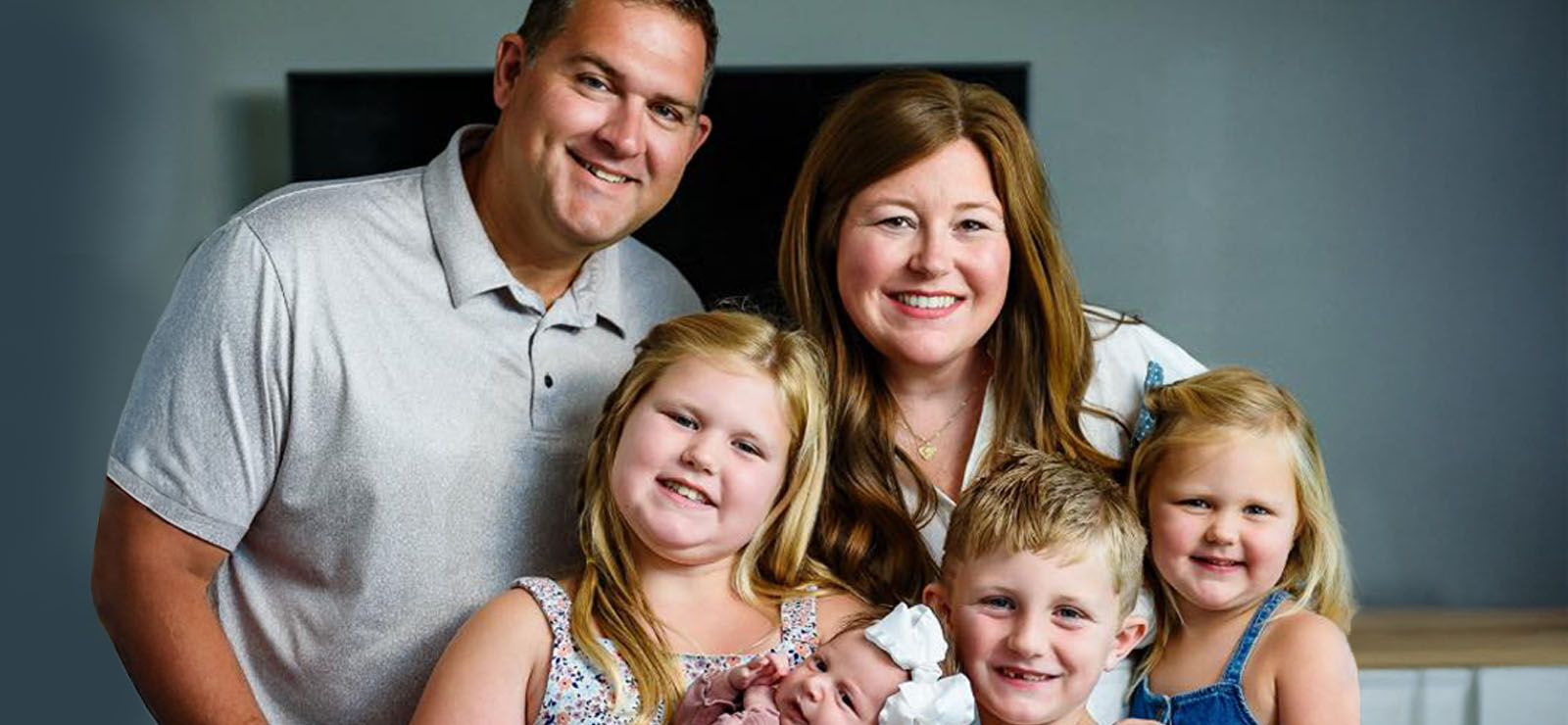
By: Chris Wright, MU Health Care patient and heart attack survivor
February 24, 2026
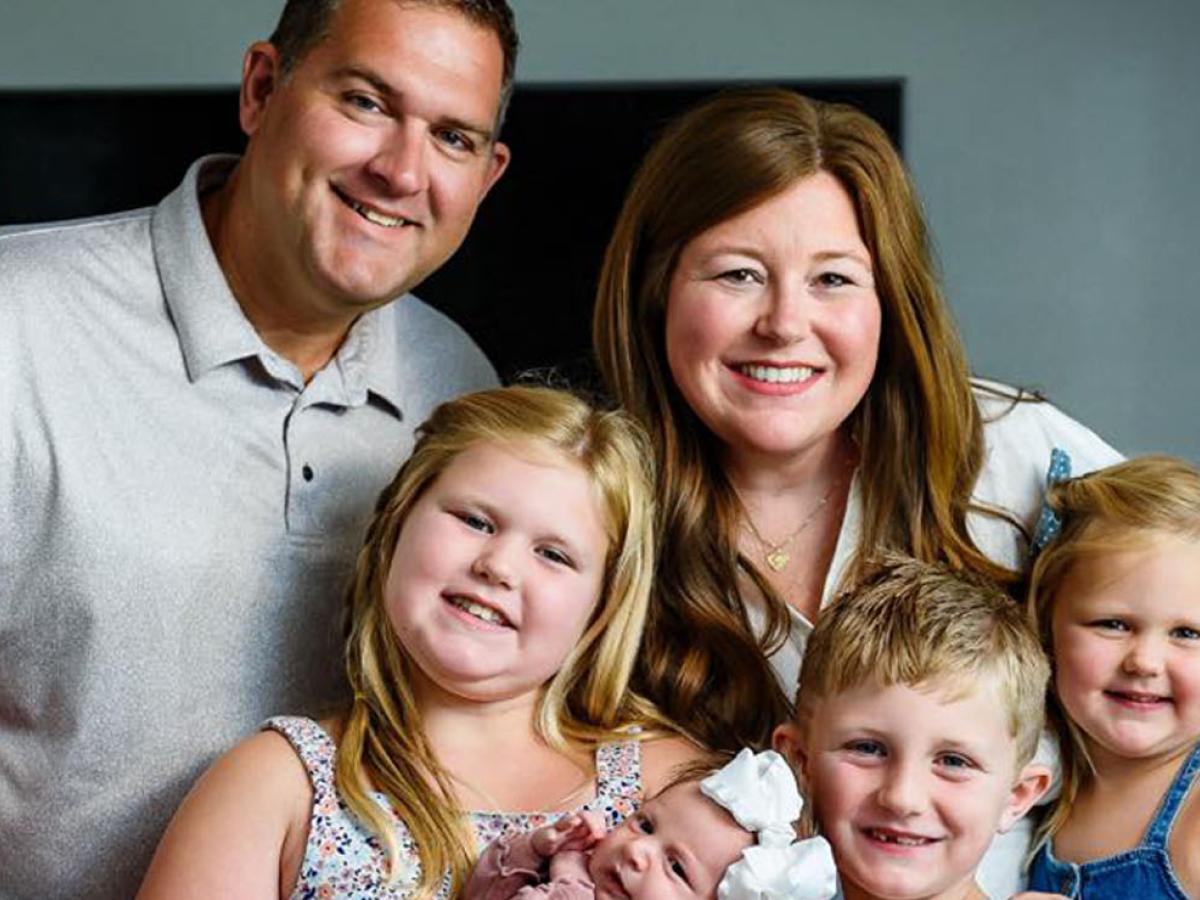
Chris Wright is a former athlete, avid outdoorsman and father of four. But when he survived a "widow-maker" heart attack at age 36, he knew everything needed to change. He has never looked back. Below, he shares his story.
The day of my heart attack was like every other day. I work at the University of Missouri Research Reactor, where we develop radiopharmaceuticals to treat cancer. I left work and drove home, but I wasn't feeling great.
When I laid down, I felt a tremendous amount of pressure from my ear and jaw down into my chest — like an elephant was sitting on me. I didn't have any physical pain or weakness in my arms, but I couldn't get a deep breath for about two minutes. Then my breathing went back to normal.
I knew something was wrong, though it never occurred to me that I could be having a heart attack. My thoughts were focused on my kids. I knew I needed emergency care and headed to MU Health Care’s ER at University Hospital.
Lifesaving Cardiac Care
At my age, symptoms like what I experienced typically point to acid reflux, indigestion and those types of things. But bloodwork checking for troponin — a chemical excreted by the heart muscle when it's damaged — showed that I had experienced a heart attack. Turns out, I had an 80% blockage of my left anterior descending (LAD) artery, which carries blood and oxygen to the heart. Severe blockages of the LAD can cause the heart to stop suddenly, which is why it's called a "widow-maker" heart attack.
I was scheduled for a catheter procedure to place a stent in the artery to open it up. I remember the time leading up to the procedure as being very emotional. I couldn't see my wife beforehand — she was with our young kids — and I was nervous, even though I was in good hands.
The stent they used is 4 millimeters by 48 millimeters — a big dog. They don't make them much bigger than that. The procedure happened under what’s called “twilight sedation” — I was awake, but not expected to feel or remember anything. I remember every single second. I could sense the stent expanding, and I could see the blood flow on the screen when they did the contrast.
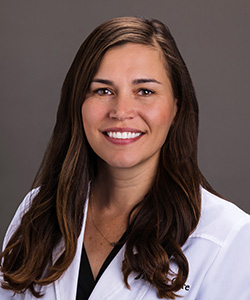
Cardiologist Mary Beth Fisher, DO, was on call during my time in the hospital. She walked me through everything that day. She's been my primary cardiologist ever since, and she's been absolutely wonderful.
Cardiac Rehab Paves the Road to Recovery
I often say that my heart attack was one of the most transformative things to happen to me — second only to becoming a dad. But it was in cardiac rehabilitation where that transformation took shape.
I went to cardiac rehab three days a week. While I was there, exercise specialists, nurses and dietitians helped me build a healthier life. They built my cardio strength back up and tested my heart rate throughout. I learned how to eat healthier — the dietitian made healthy food for me to try and shared recipes. Even after graduating from cardio rehab, I still feel supported and can stop by any time to have my blood pressure checked manually.
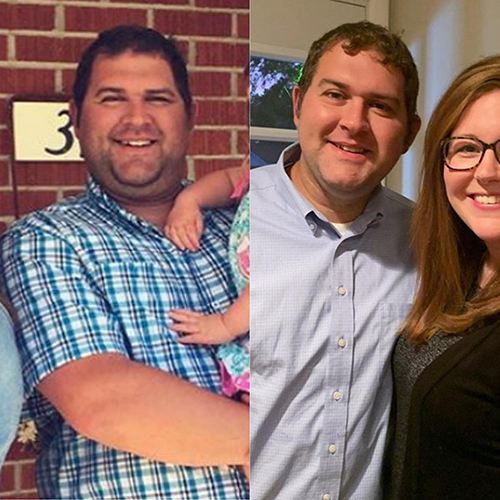
The support and early successes I had with cardio rehab gave me the motivation to keep going. Now, two years later, I've lost 55 pounds and go to the gym five days a week. My blood pressure is healthy. I weigh less now than I did going into my freshman year of high school, and I've never been in better shape.
I'm fortunate that I have zero heart muscle damage from my heart attack. Honestly, the most lingering side effect has been anxiety. It hasn't been the plumbing that's the problem — it's realizing that I'm mortal.
A lot of my anxiety is focused on not knowing how long a stent can last when it's placed in a 36-year-old — there isn't much data available. But Dr. Fisher always takes time to answer all my questions and address my concerns. I see her annually but can message her any time. She gives me confidence that staying on a healthy track is the best way to ensure a healthy future.
Reflecting on Life Then Versus Now
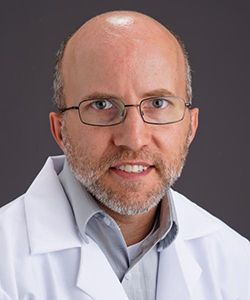
Looking back, I feel like I justified my unhealthy lifestyle and dismissed early warning signs that my heart was in trouble. You're impervious until you're not, right?
My diet was terrible and I was overweight, but I had lost 45 pounds in the 18 months leading up to my heart attack. I didn't participate in scheduled exercise, but I got a lot of physical activity each day and more than 120,000 steps weekly. I was a big guy at 6'2" and 310 pounds, but I could put two 50-pound bags of fertilizer on my shoulder and carry it like it was nothing. The biggest justification of them all? I was only 36.
However, I knew that my grandfather and his twin both died from heart attacks at ages 49 and 50. My primary care physician, Benjamin Crenshaw, MD, had talked to me about improving my diet and said I was close to needing blood pressure medication.
Knowing all that, I still brushed aside the fact that, for over a year, I had been getting out of breath doing menial, everyday tasks. I have a very open relationship with Dr. Crenshaw, but it never occurred to me to tell him. I thought I was just getting older, was out of shape and needed to work out more.
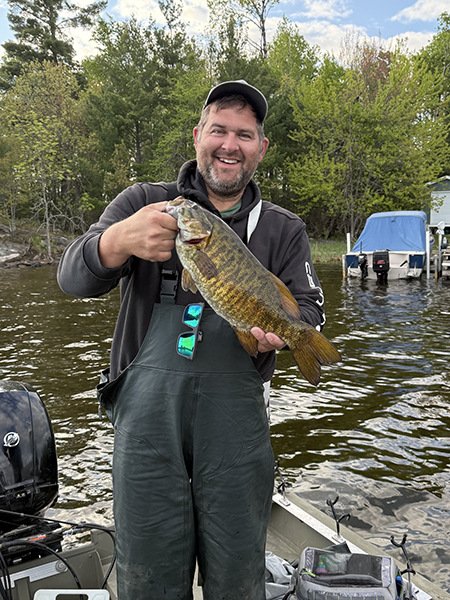
Now, my house is full of healthier food. Every night before bed, my wife, kids and I do "Olympics" — exercises like sit-ups and push-ups — together to normalize working out. I don't want my kids to see working out as a daunting task. I want them to just think of it as part of life.
I tell my friends and anyone who will listen to please go get yourself checked out, especially if something feels off. You aren't weak because of it — it shows strength and willingness to fix issues. There's a lot we can control.
I learned the hard way that the longer you wait to get healthy, the more damage you are doing and the harder it can be to make changes. But now, I'm proud to say that I'm no longer living life asleep at the wheel.
Next Steps and Useful Resources
- Curious about your heart health? Schedule a Love Your Heart Cardiac Screening.
- Want to discuss your heart health with a doctor? Find one today.
