
December 17, 2025
It's natural to gradually lose muscle as you age. It's why older adults may need help carrying their bags or why you may suddenly be asking your kid to open a jar of pickles for you.
But while everyone experiences slight muscle loss with age, not everyone develops sarcopenia — a condition classified by muscle loss plus low muscle strength or function. That combination increases your risk for frailty, falls and injuries, and can affect your quality of life.
Current estimates suggest that 20% of older adults may have sarcopenia, and that percentage increases with age. But that number may actually be low. Sarcopenia was only first designated as a clinical disease in 2016, so most adults — and some health care providers — aren't aware of it.
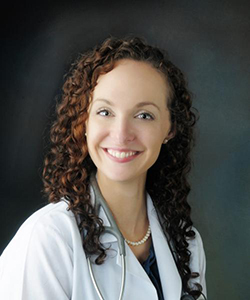
The good news is that there are things you can do now, regardless of your age, to help safeguard yourself from sarcopenia. We asked Katy Williams, MD, an MU Health Care family medicine doctor and bariatric medicine specialist, to share tips for staying stronger as you age.
1. Prioritize Strength Training
Your body begins to lose 3% to 5% of your muscle mass per decade beginning around age 30. The rate of decline then kicks into high gear around age 60.
The reason is that age-related physical changes can shrink muscle fibers and interfere with your body's ability to absorb protein — the fuel for your muscles. But if — on top of these changes — you aren't physically active or have a higher body mass index (BMI), you may be at higher risk for sarcopenia.
"My concern is that we generally have an under-muscled population," Dr. Williams says. "But with consistent muscle-building activities, you can reverse those age-related changes and help slow the rate of muscle loss."
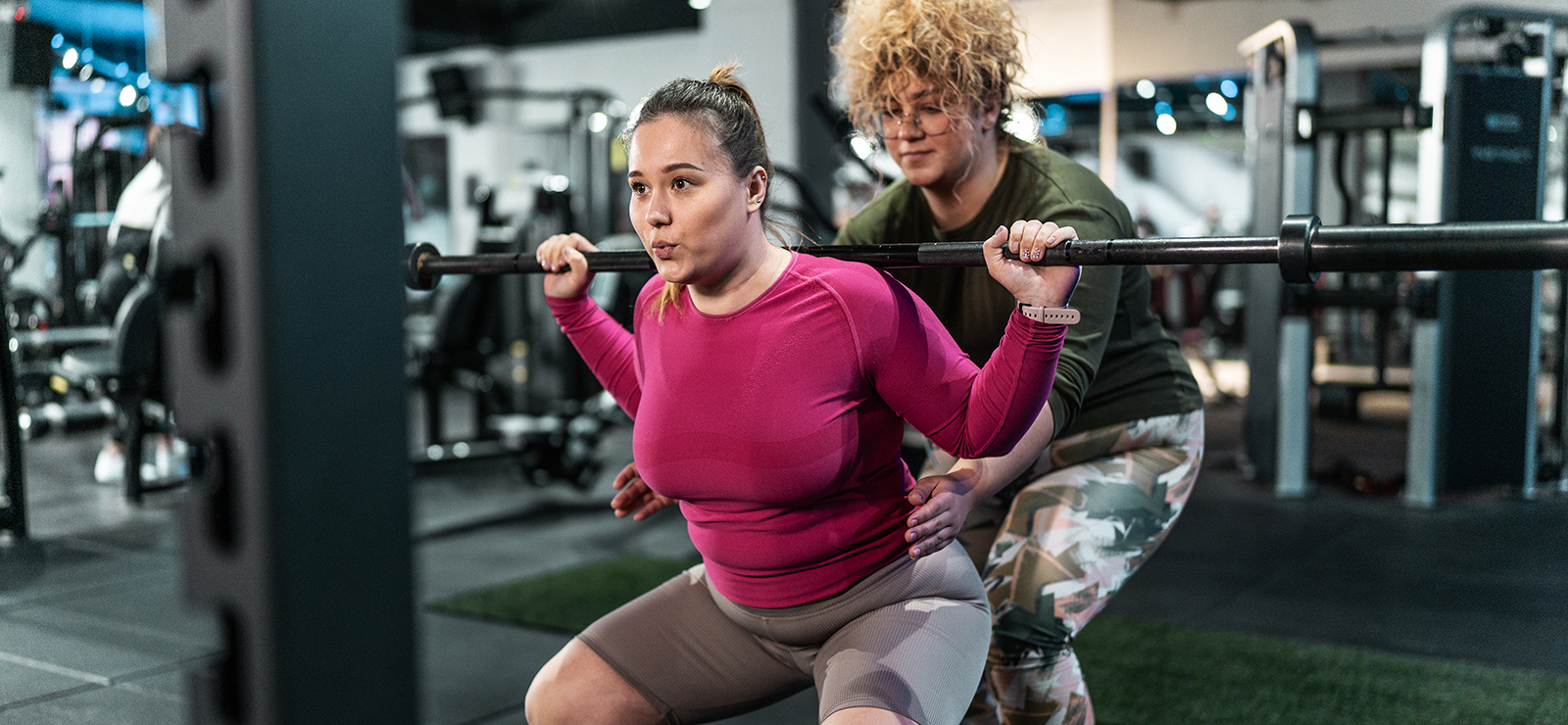
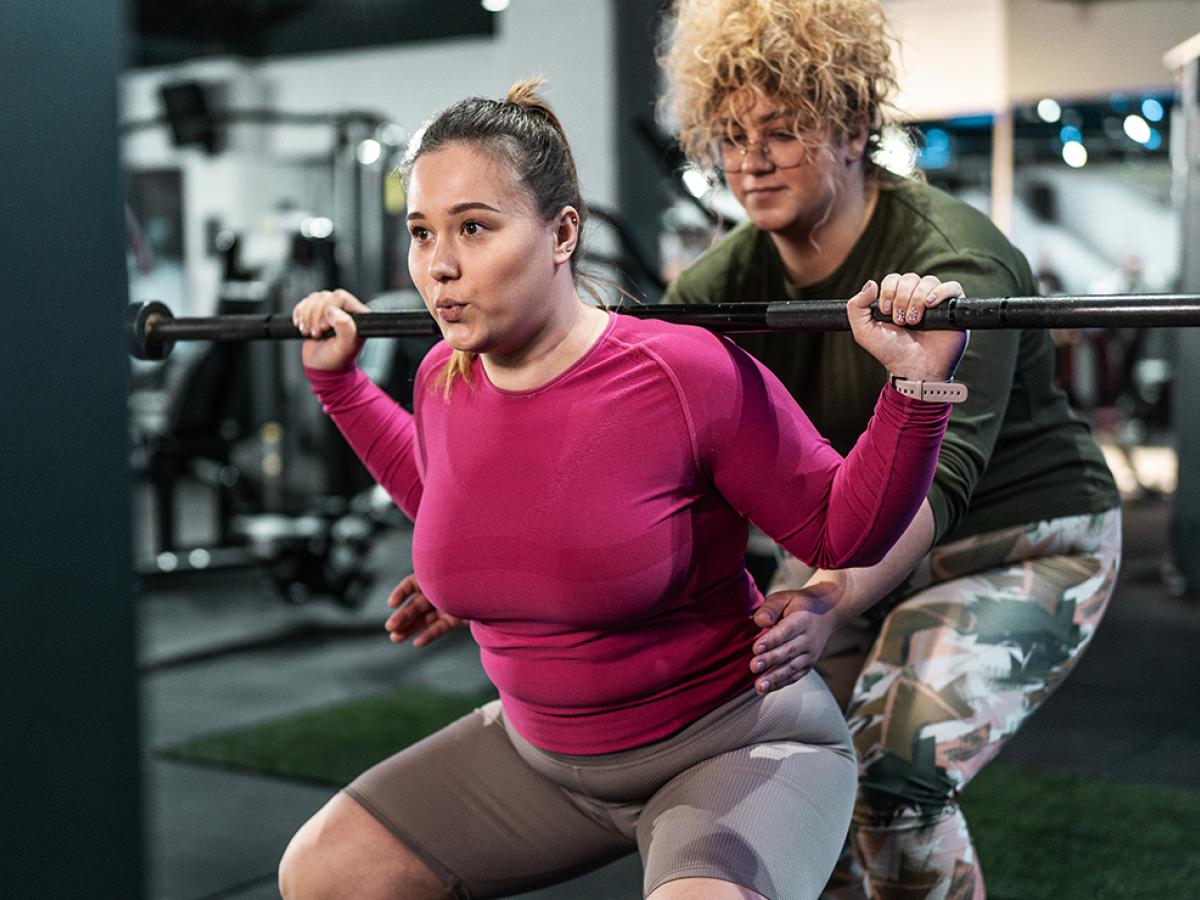
Aim to strength train at least twice weekly and choose exercises you enjoy — you'll be more likely to stick with it. Dumbbells are just one way to build muscle. Other ways include:
- Body weight exercises such as push-ups or squats
- Resistance training with bands
- Wearing a weighted vest
2. Fill Up on Protein
Strength training is only effective when your body has enough protein. While you may be eating the recommended daily allowance — 0.37 grams per pound of body weight — you may not be eating enough protein to build muscle.
"Prioritizing whole food protein is critical," Dr. Williams says. "The only building block we have to keep the muscle we have is the protein we eat."
To provide optimal support for your muscles, experts suggest eating at least 30 grams of protein at each meal. It sounds like a lot, but just 4 ounces of lean meat or 1 cup of cottage cheese gets you to that goal.
To calculate how much protein you need per day to treat or manage sarcopenia, divide your weight in pounds by half and multiply by 1.2-1.5.
3. Preserve Muscle Mass During Weight Loss
Losing weight can significantly benefit your health. But any time you lose a lot of weight, you are also losing lean tissue.
"Any tissue that isn't fat is considered 'lean tissue,'" Dr. Williams says. "No matter how you lose weight — medication or au natural — a quarter of that weight is lean tissue, and that includes muscle."
People taking FDA-approved GLP-1 medication (not microdosing) may lose up to 20% of their body weight, according to Dr. Williams. If you are not taking action to protect your muscle mass, such as strength training and eating enough protein, you could be at risk for sarcopenia.
GLP-1 medication, bariatric surgery and other methods for significant weight loss can be especially risky for people with sarcopenic obesity — coexisting obesity, excess body fat and sarcopenia. The weight loss can make existing sarcopenia worse. Dr. Williams recommends taking time to build muscle while losing weight. If you are using GLP-1 medication, use the lowest effective dose.
4. Recognize the Link Between Menopause and Sarcopenia
The female hormone, estrogen, is directly involved in muscle metabolism (maintaining muscle mass). Estrogen affects the secretion of growth hormone and insulin growth factor-1 — both are critical to muscle growth, repair and maintenance. When you begin the menopausal transition, estrogen levels plummet, and so does its support for muscle-building.
"You start losing lean mass when you go through menopause, because you are losing estrogen," Dr. Williams says. "If you're not exercising, it compounds the problem and can speed up the progression to sarcopenia."
Some evidence suggests that menopausal hormone therapy may help you retain muscle mass, but the data are limited, and more research is needed. The best course of action is to speak with your doctor about your options and make lifestyle changes to include strength training and a whole food, protein-rich diet.
5. Ask for Sarcopenia Screening if You Have Concerns
If you think you may have sarcopenia, talk to your doctor. The symptoms of sarcopenia include:
- Difficulty with everyday tasks
- Falls
- Muscle weakness
- Slow walking speed
Your doctor can assess you for sarcopenia. They can also help you make lifestyle changes and may recommend possible supplements — such as creatine, vitamin D and whey protein — that can help.
Next Steps and Useful Resources
- Want to discuss more with a primary care doctor? Find one today.
