

July 28, 2026
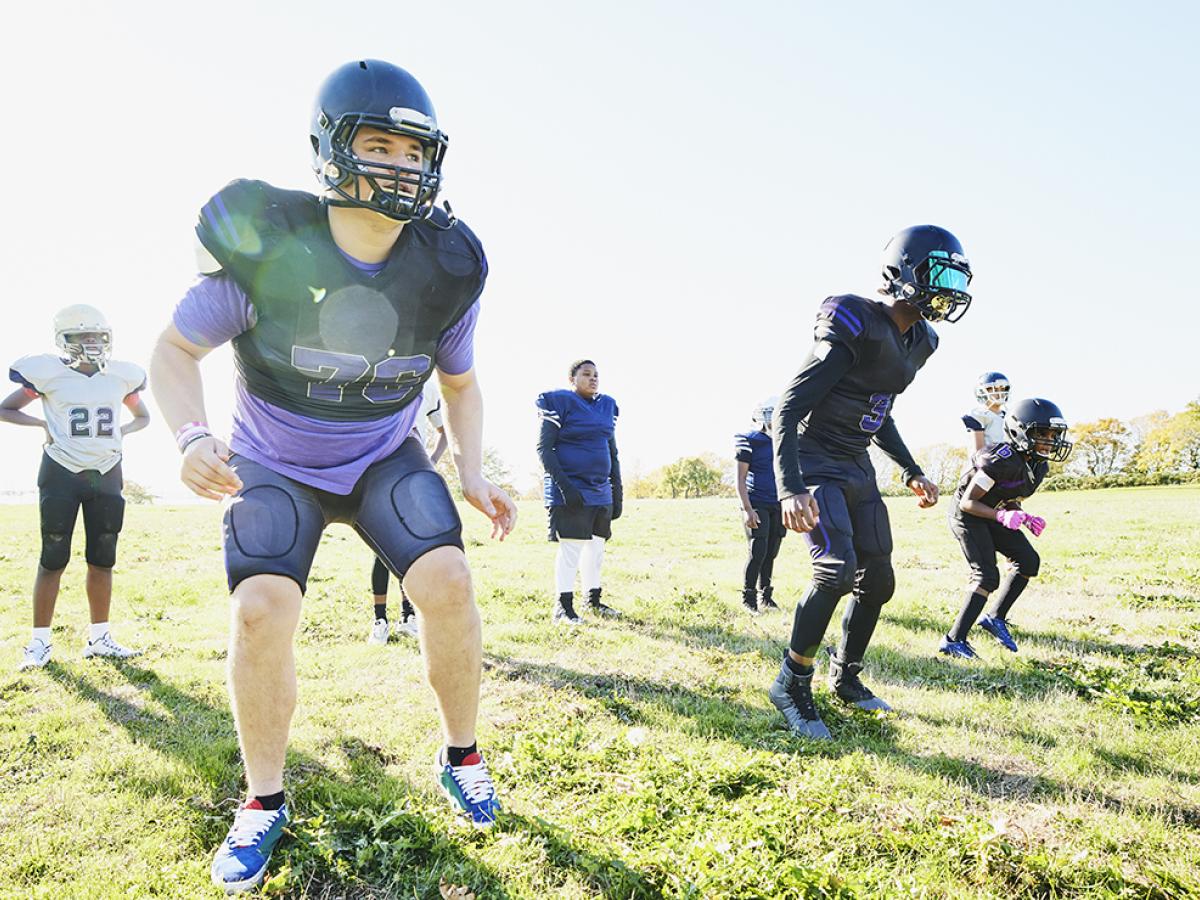
Parents of athletes know that summertime is sports physical time. But sports physicals shouldn't be just another box to check before the season starts. They are one of the best ways to keep your young athlete healthy, safe and ready to play.
"We don't do sports physicals because we want to disqualify the athlete," says Brian Toedebusch, MD, MU Health Care sports medicine physician. "Our goal is to keep kids playing sports while ensuring that the athlete is healthy enough to do that."
Sports physicals consist of two parts:
- Screening questions
- Physical examination
Both parts are equally important for getting a quality assessment. But Dr. Toedebusch shares simple things parents and guardians can do to ensure the assessment is accurate and make the process more efficient:
1. Be Deliberate in Choosing Who Will Complete Your Child's Sports Physical

States and governing bodies each have different criteria outlining who can perform sports physicals. While the physical does not need to be completed by your child's pediatrician, choosing a medical professional who is familiar with your child and family helps to ensure the screening and exam are thorough.
If an appointment with your pediatrician is not an option, many hospitals and clinics host events offering pediatric physicals. These mass events are typically run by sports medicine physicians. Most require you to sign up, so they know how many children to expect and can keep things moving.
"There's not necessarily a right or wrong answer," Dr. Toedebusch says. "The most important thing is to seek out a physician or medical professional who has experience and is qualified to perform the physical."
2. Don't Wait Until the Last Minute for Your Child's Sports Physical
It's easy for a sports physical to fall off the radar during summer. But Dr. Toedebusch highly recommends having the appointment well in advance of the paperwork due date.
"If you wait until the last minute and your child needs further follow-up or testing, it could delay their ability to play," Dr. Toedebusch says.
Don't forget about the preparation required for the appointment either. To clear your child for sports in the most efficient way, plan to:
- Fill out the standard screening form before the appointment
- Get and bring any required clearance from specialists for known conditions such as congenital heart defects or seizure disorders prior to the appointment
3. Fill Out the Sports Physical Form Accurately and With Your Child
The screening questions on the sports physical form can reveal a lot to a doctor about your child's overall health and how they've been feeling recently. Your answers help physicians rule out specific medical concerns, including:
- Asthma and breathing problems
- Bone issues
- Cardiac conditions
- Menstrual or testicular problems
- Mental health issues
Reporting accurate information is critical — even if something like a minor concussion or a broken wrist from three years ago doesn't seem relevant today. When taken together, all those details paint a picture.
Make sure to complete the form alongside your athlete. While you know your child's medical history — sometimes better than you know your own — your child is the best person to share how they've been feeling recently.
"If you don't report accurate information, we may not detect an underlying issue that puts your child at increased health risk," Dr. Toedebusch says. "Sometimes athletes share symptoms such as chest pain or shortness of breath that parents aren't aware of."
4. Share Relevant Health Information and Concerns Beyond the Screening Form
Family history and past medical history are essential when clearing a child for sports. The screening questions and physical examination are thorough, but sharing additional information can affect the assessment.
"Major health events, such as past surgeries, a history of seizure or a missing organ, are important to share because that information can dictate which activities are safe," Dr. Toedebusch says. "Family history of early death is also a critical factor. It can increase the risk of an underlying cardiac issue or sudden death."
5. Be Clear About Your Child's Level of Competition and Time Commitment
Sports specialization and increasing sports commitments are leading to a higher rate of overuse injuries. The specific sports your child plays and how often they play them may trigger additional concerns from the doctor.
"Whoever performs the physical should not only focus on the general health of the athlete, but also how their health applies to the activities they participate in," Dr. Toedebusch says. "Understanding your child's physical activity can help guide the questions we are asking. It also helps us assess how their past medical history might be relevant to the sports they play."
6. Report Any Medical Changes Between Sports Physicals
It's common for a full year or two to pass between sports physicals. If your child has any medical changes, such as a new medication, injury or diagnosis, that information should be reported in two ways:
- To your child's coach or trainer: A coach or trainer should know about changes to your child's health or medical record so they can treat them appropriately in the event of an athletic emergency.
- To your child's doctor: If your child's answers to any of the screening questions change or if they sustain an injury, your pediatrician can address any developing concerns and identify potential risks.
"Any medical changes that would change the information on their sports physical form need to be shared," Dr. Toedebusch says. "The end goal for everyone is to keep your child athlete safe."
Next Steps and Useful Resources
- Want to discuss more with a doctor? Find a primary care provider or sports medicine doctor today.
