
September 22, 2026
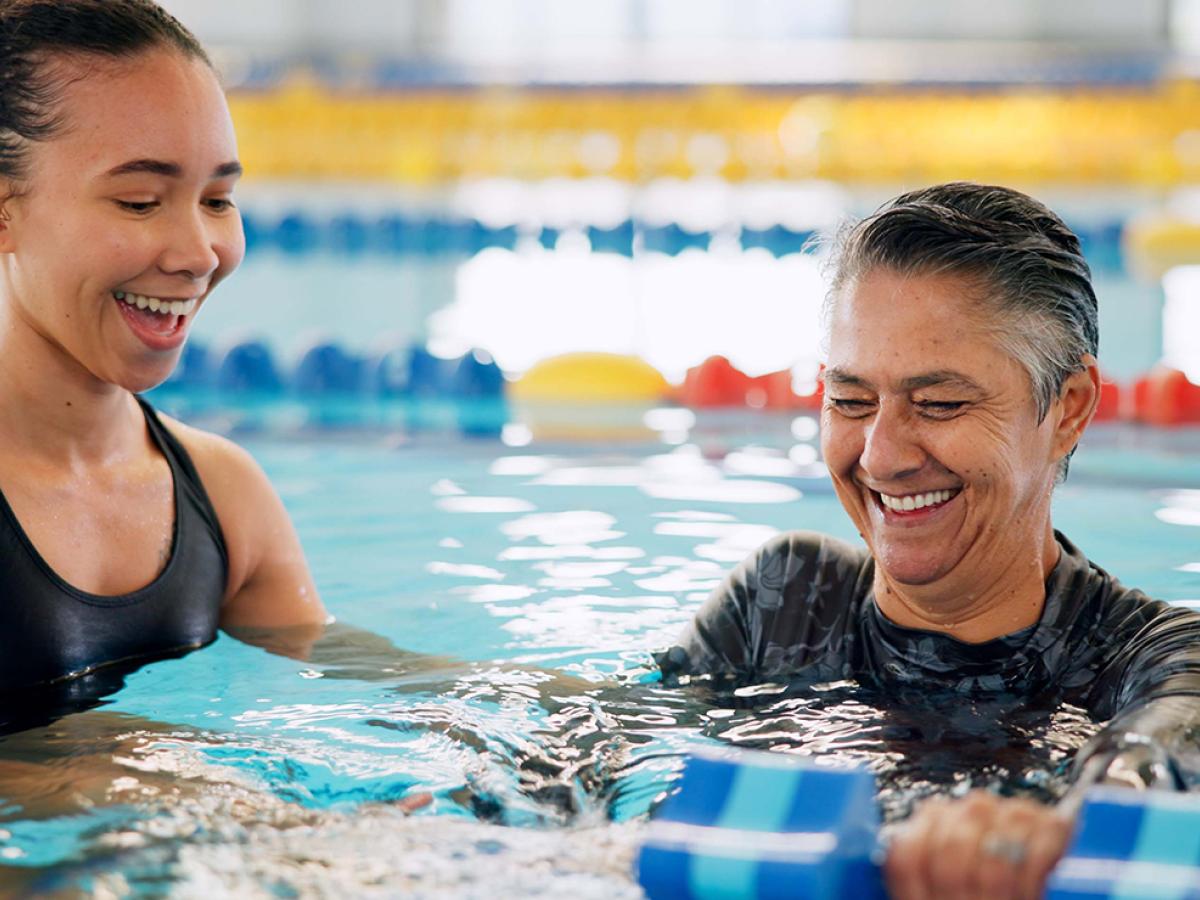
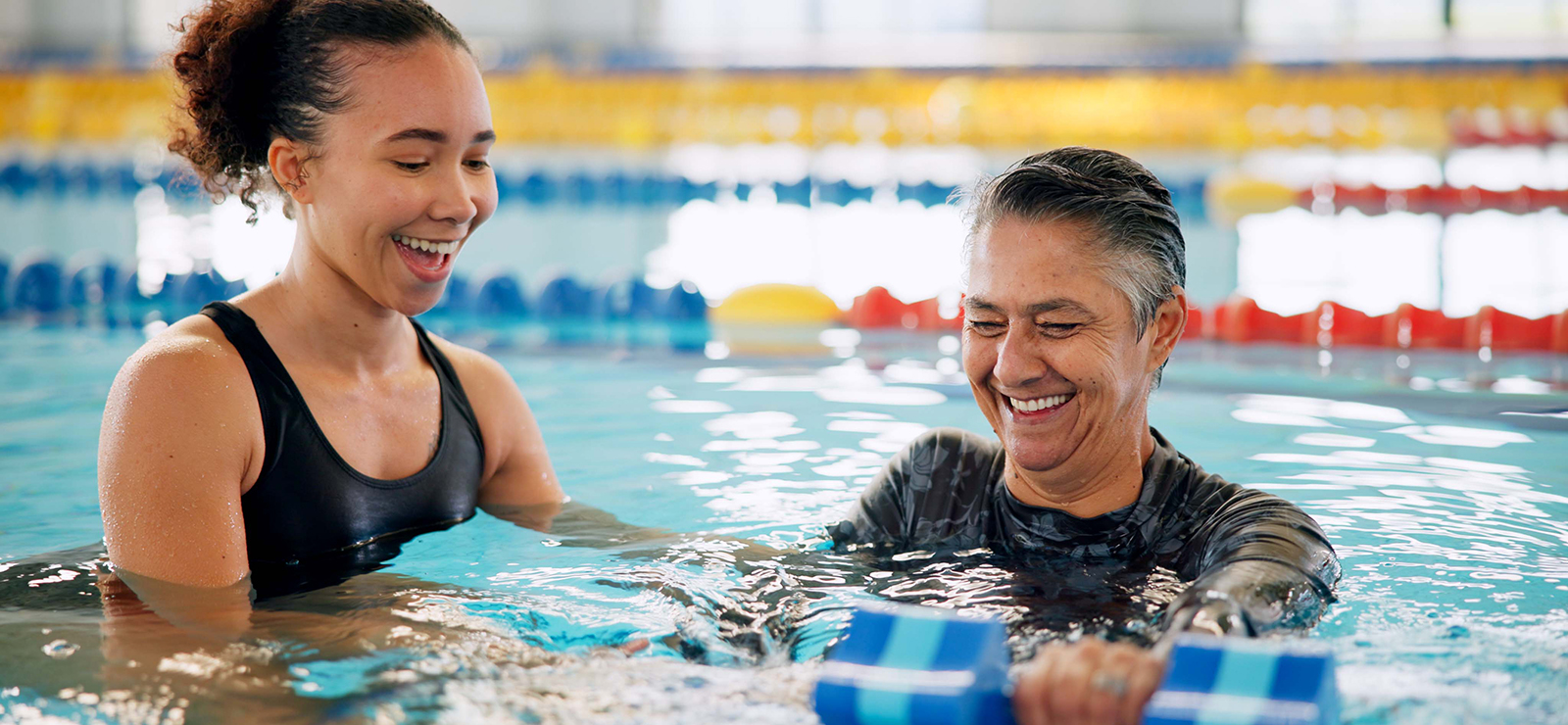
Water can be good for the soul — it's why people vacation at the beach and love to float in a pool. But water can also offer surprising health benefits. Aquatic therapy — also known as water therapy, pool therapy or hydrotherapy — provides physical and mental relief for all kinds of health issues using simple exercises performed in waist-deep water.
"A lot of people think water therapy isn't always challenging or effective," says MU Health Care physical therapist Jenea Smith, PT, CLT, ALT, who specializes in aquatic therapy. "But aquatic therapy is physical therapy with the added advantages of feeling weightless and supported. This form of exercise can challenge you to build your core strength and balance so you can advance to more exercise on land as you get stronger."
Water therapy won't cure you or directly address your underlying health issue. But it can help you feel better physically and mentally so that you can progress toward your health goals.
How Water Therapy Works
Aquatic therapy typically takes place in a few feet of pool water. You don't have to worry about getting your hair wet, going under the water or swimming. But in just a few feet of water, you'll be able to move with less pain and in a way that may not be possible on land.
Water has four properties that set it apart from other types of physical therapy:
- Buoyancy: The upward push of the water that enables you to reduce the effects of gravity.
- Resistance: Water provides as much as 700 times more resistance than air.
- Pressure: The natural pressure of water helps reduce soft tissue swelling.
- Temperature: Warm water increases blood supply and encourages relaxation.
"In waist-high water, you'll feel like you weigh half the amount," Smith says. "The buoyancy of the water can ease pain and enable a better range of motion, while the resistance helps you get stronger and improve your balance."
To get the full benefits of water therapy, look for a physical therapist who is certified or specially trained in aquatic therapy.
What Health Issues Benefit From Aquatic Therapy?
Water therapy offers benefits for many different conditions and issues, including:
1. Chronic Pain
People who are in constant or chronic pain — from conditions such as herniated disc, fibromyalgia, spinal stenosis and osteoarthritis — often feel the effects both physically and mentally. Aquatic therapy uses gentle range of motion, relaxation training, deep breathing and floating to provide temporary pain relief.
"When you're in that much pain, all the time, it can change your personality," Smith says. "You may even lose hope that it's ever going to get better. Having even one hour of pain relief can make a world of difference and boost your mental health."
2. Injury Recovery
Water therapy can offer a safe way to return to activity as you recover from an acute injury. The buoyancy of the water creates a low-impact environment that supports rehabilitation and gentle movement while the hydrostatic pressure of the water reduces swelling.
"If you're a partial weight bearing athlete or an active person trying to get back to exercise or training, pool therapy is a good place to start," Smith says. "It's not as aggressive as training on land and can help you ease back into more challenging exercises."
3. Lymphedema
Your body's lymphatic system is a network of tissues, organs and vessels that collects excess fluid and returns it to your blood. A lymphatic system that isn't draining fluid as it should can cause a chronic condition known as lymphedema. When fluid doesn't drain properly, it leads to severe swelling, pain and restricted movement. But water therapy can increase lymphatic flow and relieve those symptoms.
"Being in the water is like putting on a compression garment," Smith says. "If you have fluid in the legs or trunk or anywhere in your body, aquatic therapy compresses the lymphatic system to help it work better."
4. Menopause
Perimenopause and menopause can cause a wide range of symptoms, including weight gain, joint pain, stress and swelling.
"When you are going through menopause, your entire body is changing," Smith says. "Aquatic therapy helps with joint pain, swelling and weight loss while promoting relaxation."
Smith notes that pool therapy should be just one piece of a bigger care plan for menopausal women. It's best to combine aquatic therapy with weight training to combat the loss of muscle mass that occurs with hormonal changes.
5. Neurological Conditions
Conditions that affect the central nervous system — such as Parkinson's disease, multiple sclerosis and stroke — typically affect motor function. As a result, fear of falling can hamper physical activity.
Water offers support, resistance and relaxation that can remove that fear. People with neurological diseases can use water therapy as a time to retrain their brain, gain strength and improve their balance.
"The pressure of the water calms the nervous system," Smith says. "You can safely work on balance, coordination and movement, and those improvements continue even when you are on land."
6. Obesity
Carrying extra weight can make moving your joints challenging and painful. For people with obesity, aquatic therapy offers a safe and less painful way to move.
"When you are in the water, you are free of the weight and limitations of gravity," Smith says. "You'll feel lighter and younger. Pool therapy provides a place where you can feel safe, be successful and see results before beginning to exercise on land."
7. Recovery After Joint Replacement
Joint replacement surgery naturally causes tissue trauma, and fluid buildup (edema) is a normal inflammatory response to that trauma.
Edema can come on quickly, be restrictive and cause pain. It also takes a while to clear away. During that time, movement — and therefore recovery — can stall. But once the incision heals, pool therapy can help flush the fluid.
"Research shows that knee and hip replacements can be positively affected by aquatic therapy," Smith says. "Even just one or two sessions can get the fluid moving and push it away from the joint."
8. Respiratory Conditions
It's a natural response to shy away from a pool if you have a pulmonary condition that affects your ability to breathe. But Smith says most people are surprised to hear that water can build long-term respiratory and physical endurance.
"Research consistently shows that those that participate in water therapy see an increase in their stamina, peak exercise capacity and walking endurance," Smith says. "We have patients who thrive in aquatic therapy even though they are on oxygen."
Next Steps and Useful Resources
- Want more? Learn about our therapy services.
