
November 17, 2026
When you are pregnant, it's common to be sensitive to every unfamiliar thing your body is doing: What's that weird taste in my mouth? Why is hair growing there? Am I drooling?
The problem is that when every twinge and sensation is new, it's not always easy to know which feelings or symptoms are concerning and which are normal.
"Spotting a troubling pregnancy symptom can be critical," says Allison Kolker, MD, an MU Health Care family medicine physician. "And I tell all women not to hesitate to reach out to your doctor if you feel like something isn't right. You know your body best."
Before you call your doctor for fetal hiccups, a metallic taste or a hot flash — which are all normal — Dr. Kolker shares which symptoms are truly cause for concern during each stage of pregnancy:
Pregnancy Concerns From Conception Through Postpartum
During pregnancy, your body will change in new ways as the fetus inside you grows. Each trimester will come with fresh sensations, joys and concerns.
However, there are some urgent maternal warning signs you should watch for throughout pregnancy and beyond, including:
- Mental health symptoms: Hormonal fluctuations during and after pregnancy can affect how you feel. If you experience ongoing sadness or suicidal thoughts at any stage — including after the baby is born — you should seek help.
- Cardiovascular symptoms: Common signs of a heart issue during and after pregnancy include persistent headache and pain under the right side of your ribs.
"The top two killers of pregnant and postpartum women are mental health disorders and cardiovascular disease," Dr. Kolker says. "So it's important not to minimize the symptoms you feel."
Dr. Kolker shares other concerning symptoms and issues that may arise with each trimester and during the postpartum period:
First Trimester
The goal during the first trimester is to establish a strong foundation as you and the fetus transition into pregnancy. Worrisome symptoms during this stage include:
Vaginal Bleeding and Cramping
It is normal to have a little bit of spotting during the first trimester, particularly after intercourse. But spotting accompanied by cramping could signal a complication.
"If you are cramping and bleeding enough for it to show up on a pad, you should notify your provider," Dr. Kolker says.
You should seek care immediately if you are bleeding through a pad in an hour. It’s also important to know your blood type. Most woman have a positive blood type, but if yours is negative, any bleeding in pregnancy warrants a check-in with your doctor. They can help determine whether you need an Rh immunoglobulin (RhoGAM) injection, which helps prevent your body’s immune system from reacting on the off chance your baby has a positive blood type.
Excessive Vomiting
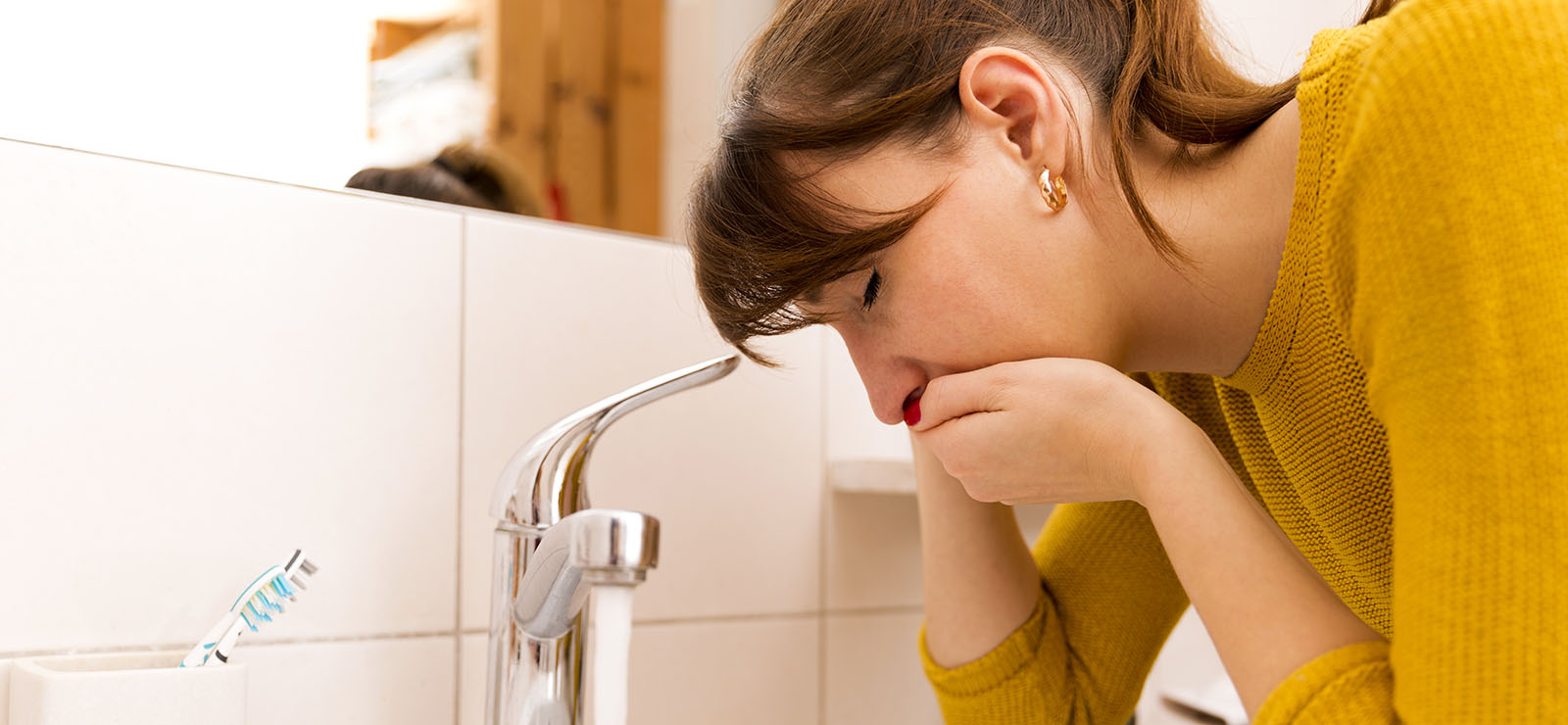
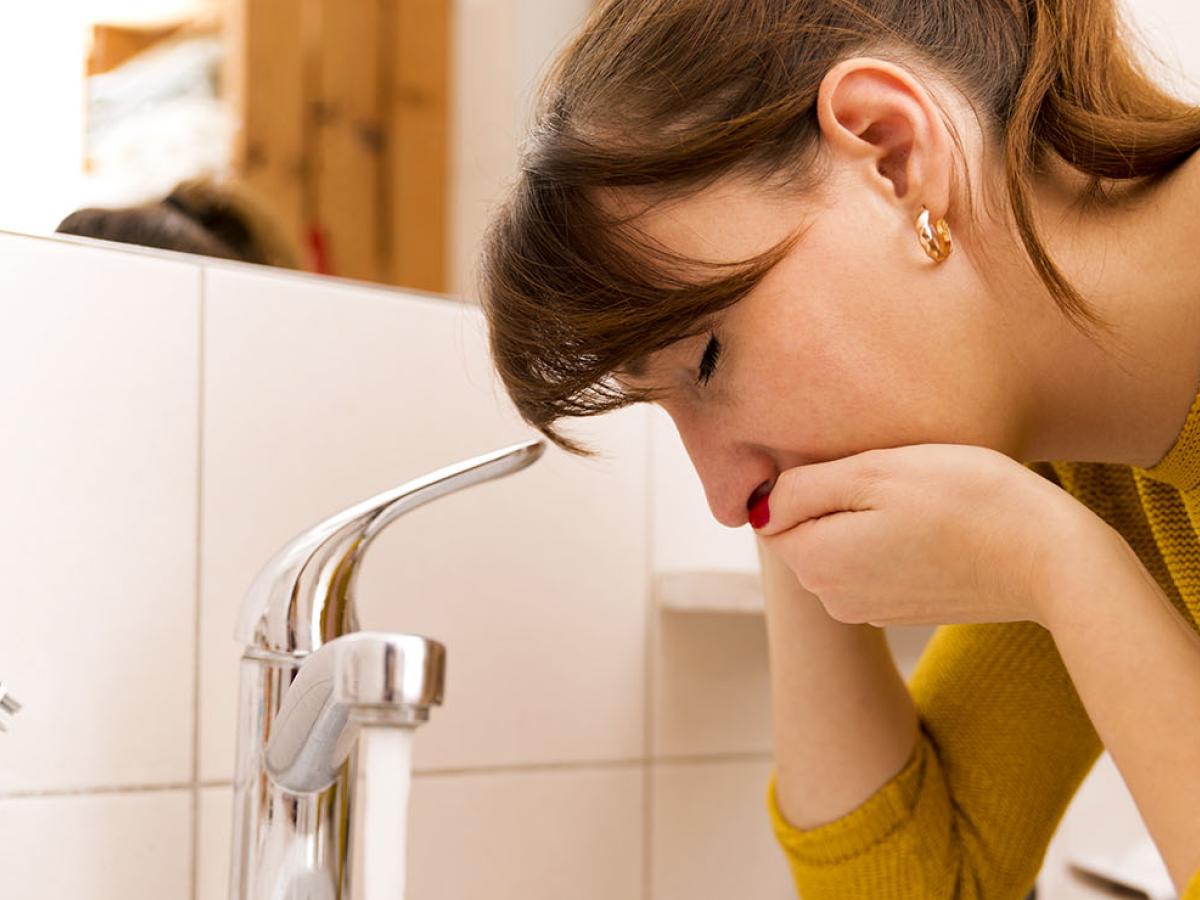
Morning sickness is common. But if you are vomiting multiple times a day and can't tolerate liquids — a condition known as hyperemesis — it's time to call the doctor.
Hyperemesis is often associated with weight loss and weakness. It can affect your electrolyte levels and ability to stay hydrated.
"Throwing up liquids is a telltale sign of hyperemesis," Dr. Kolker says. "And we definitely need to know about that."
Second Trimester
Your provider will monitor your blood pressure and circulation as you move through the second trimester. Symptoms that could indicate a complication include:
High Blood Pressure
In the middle stage of pregnancy — typically after the 20th week — high blood pressure can be a sign of preeclampsia. Left untreated, preeclampsia can damage vital organs, cause serious health problems and be life-threatening for the mother and fetus.
In addition to high blood pressure, women with preeclampsia may also experience:
- Excess protein in their urine
- Headaches that do not respond to over-the-counter pain medication
- Pain in the upper right abdomen
- Vision changes
- Widespread swelling
"If you are 20 or more weeks into your pregnancy and notice these symptoms, your provider will want to check your blood pressure and test your urine," Dr. Kolker says. "Keep in mind, you can also develop high blood pressure in pregnancy that is not preeclampsia. It's known as gestational hypertension."
Varicose Veins
Varicose veins are swollen, bulging veins that develop when weakened vein walls and valves struggle to move blood back toward the heart. These veins can form whenever blood pressure increases in the veins — even outside of pregnancy. But pregnancy hormones tend to weaken vein walls, making varicose veins — and blood clots — more likely to develop. Varicose veins are most likely to show up toward the tail end of the second trimester and into the third trimester.
"Varicose veins during pregnancy aren't dangerous in themselves," Dr. Kolker says. "But they can feel uncomfortable or ache later in pregnancy and cause superficial thrombophlebitis — a blood clot that forms just below the skin's surface."
Have your veins evaluated by a provider if any of them cause:
- Localized pain
- Redness
- Swelling
Third Trimester
During the third trimester, continue to watch for signs of preeclampsia. Other maternal warning signs you may encounter toward the end of your pregnancy include:
Signs of Labor
Contact your provider if you suspect you are experiencing labor. Common signs of labor include:
- Contractions happening 10 minutes apart for an hour
- Water breaking, indicating that the protective fluid around the fetus has been released or is leaking
Signs of Fetal Distress
Sometimes late in pregnancy, the oxygen supply to the unborn baby is interrupted. Your unborn baby may be in distress if you experience:
- Bright red bleeding that cannot be confused with spotting
- Decreased fetal movement, signaled by fewer than 10 movements in a two-hour period
Sudden Shortness of Breath
As your uterus takes up more and more space in your body, it's normal to have some shortness of breath. But if you suddenly cannot catch your breath, it could be a sign of pulmonary embolism — a blood clot that has broken off and moved to your lungs.
"You are at higher risk for blood clots during pregnancy," Dr. Kolker says. "So, if you have been walking around just fine and now suddenly cannot go more than a couple of feet without stopping to catch your breath, it is concerning."
Postpartum Period
It's normal to feel some discomfort in the weeks following childbirth. It's also easy to be preoccupied with caring for your newborn. But it's critical that you prioritize your health.
"A majority of maternal deaths associated with your heart or mental health happen after the six-week postpartum time frame," Dr. Kolker says. "Attending your postpartum appointments reduces your risk."
Tell your provider if you experience symptoms such as:
- Feelings of sadness and hopelessness: If you feel depressed or anxious for 10 days or more after having your child, you could be at risk for postpartum depression.
- Leg pain, swelling, redness or warmth: The risk for blood clotting is still high during the postpartum period, and these symptoms are characteristic of deep vein thrombosis (DVT).
- Severe headaches: You can still develop postpartum preeclampsia, which may also cause vision changes, swelling and pain in your upper right abdomen.
- Very heavy bleeding: If your bleeding is heavier than a typical period and worsens, you may have a postpartum hemorrhage — a serious but rare condition that can occur up to 12 weeks after childbirth.
Tips for Having a Healthy Pregnancy
The best way to set your body up for a healthy pregnancy is to have healthy lifestyle habits, including:
- Exercise regularly
- Maintain control over your blood pressure
- Maintain a healthy weight
- Eat a healthy diet of whole foods
"Having healthy habits in place before pregnancy can help reduce the risk of early labor, high blood pressure, preeclampsia and gestational diabetes," Dr. Kolker says. "But it's never too late."
Next Steps and Useful Resources
- Want to speak with a doctor? Find one today.
